(+035) 527-1710-70
 google@gmail.com
 Chọn một địa chỉ

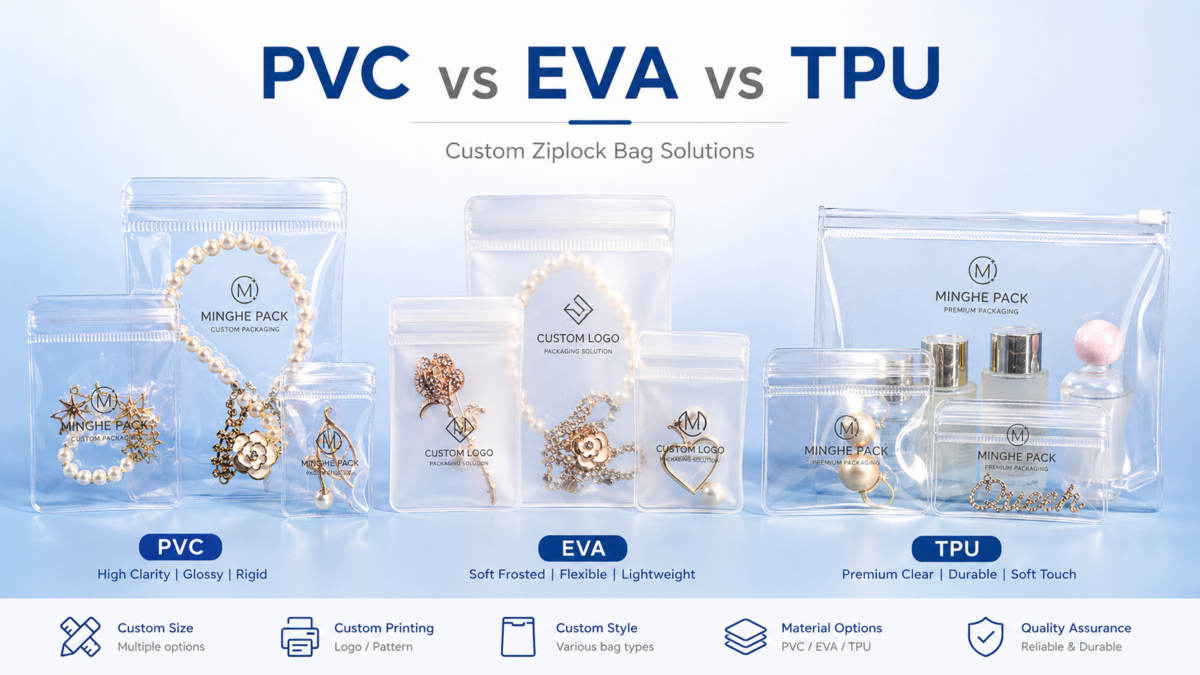
Sự khác biệt thực sự giữa PVC là gì, EVA, và túi Ziplock TPU?
PVC is a rigid-to-semi-flexible plastic with excellent clarity and low cost, making it the default choice for retail and general packaging. EVA (Ethylene-Vinyl Acetate) is softer, more elastic, and generally marketed as a more eco-conscious alternative due to easier recyclability and lower chlorine content. TPU (Thermoplastic Polyurethane) is the most premium and durable option, offering high elasticity, strong abrasion resistance, and better performance in extreme temperatures, but at a significantly higher material cost.
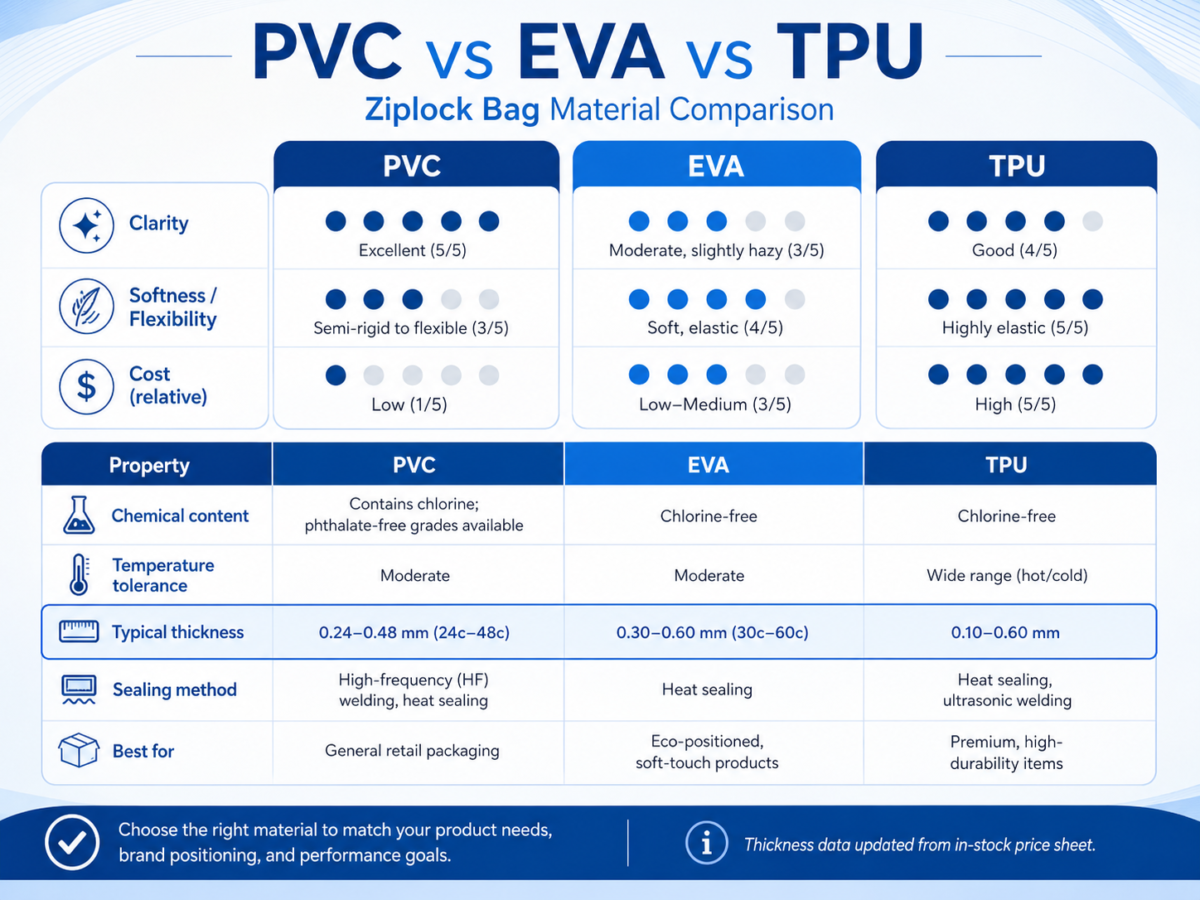
| Property | PVC | EVA | TPU |
|---|---|---|---|
| Rõ ràng | Xuất sắc | Vừa phải (slightly hazy) | Tốt |
| Softness/Flexibility | Semi-rigid to flexible | Mềm mại, elastic | Highly elastic |
| Trị giá (relative) | Thấp | Low–Medium | Cao |
| Chemical content | Contains chlorine; phthalate-free grades available | Chlorine-free | Chlorine-free |
| Temperature tolerance | Vừa phải | Vừa phải | Wide range (hot/cold) |
| Độ dày điển hình | 0.24–0.48mm (24–48 mil) | 0.30–0.60mm (30–60 mil) | 0.1–0.6 mm |
| Sealing method | High-frequency (HF) welding, heat sealing | Heat sealing | Heat sealing, ultrasonic welding |
| Tốt nhất cho | General retail packaging | Định vị sinh thái, soft-touch products | Premium, high-durability items |
When Should a Business Choose PVC for Ziplock Bags?
PVC remains the most cost-effective choice for high-volume retail packaging where clarity, printability, and price matter more than eco-labeling. It welds cleanly using high-frequency (HF) equipment, holds sharp seam lines, and accepts gravure and screen printing with consistent color reproduction—advantages that make it the standard material for cosmetics packaging, garment bags, and stationery pouches.
Businesses selecting PVC should confirm the grade being used, since not all PVC is equal. Phthalate-free and RoHS-compliant PVC formulations are now standard in export-facing production and should be requested explicitly in any quotation. Để biết thêm thông tin về phthalate được sử dụng trong nhựa như PVC, người mua có thể xem lại Tổng quan về phthalates của Cơ quan Hóa chất Châu Âu.
Tại Minh Hà, Màng PVC được sản xuất nội bộ thông qua ép đùn màng thổi, cho phép điều chỉnh độ dày theo từng bước nhỏ (tốt như 0.01 mm) để phù hợp với một sản phẩm cụ thể thay vì dựa vào các thước đo cố định sẵn có.
- Tốt nhất cho: mỹ phẩm, hàng may mặc, văn phòng phẩm, bao bì bán lẻ nói chung
- Thuận lợi: chi phí thấp, sự rõ ràng tuyệt vời, độ bám dính in mạnh mẽ, đường hàn HF sạch sẽ
- Cân nhắc: xác nhận không chứa phthalate / Cấp độ tuân thủ RoHS dành cho thị trường xuất khẩu
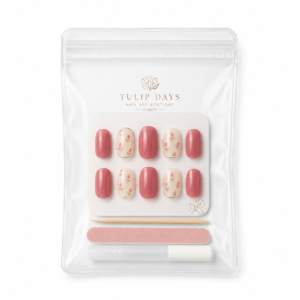
Tại sao một số người mua thích EVA hơn PVC để đóng gói?
Người mua chuyển sang EVA chủ yếu để nhận biết vị trí môi trường và cảm giác cầm tay nhẹ nhàng hơn, not for lower cost—EVA typically runs slightly higher in raw material price than standard PVC. EVA contains no chlorine, which simplifies end-of-life disposal messaging for brands marketing themselves as eco-conscious, and its softer texture is often preferred for cosmetic bags, túi đựng đồ vệ sinh cá nhân, and products marketed toward sustainability-focused retail channels.
The trade-off is reduced optical clarity compared to PVC—EVA typically has a slight haze, which can matter for products relying on full visual transparency for retail display. EVA also requires heat sealing rather than high-frequency welding, which changes seam appearance and requires different production tooling.
- Tốt nhất cho: eco-positioned cosmetic bags, túi đựng đồ vệ sinh cá nhân, soft-touch retail packaging
- Thuận lợi: chlorine-free composition, soft texture, easier recyclability messaging
- Cân nhắc: slightly reduced clarity versus PVC; requires heat-seal tooling, not HF welding
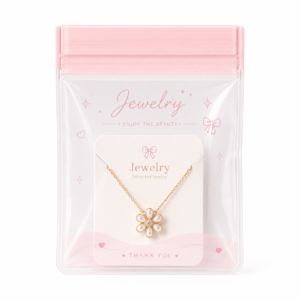
Is TPU Worth the Higher Cost for Ziplock Bag Packaging?
TPU is justified when a product requires repeated flexing, exposure to temperature extremes, or long-term durability beyond what PVC or EVA can reliably provide—for example, watch strap packaging, outdoor gear accessories, or premium electronics packaging where the bag itself is part of the perceived product value. TPU costs considerably more per unit than PVC or EVA, so it is typically reserved for premium product lines or applications where bag failure creates a real cost (damaged goods, warranty claims).
TPU’s abrasion resistance and elasticity also make it suitable for bags that will be reused multiple times by the end customer, rather than single-use retail packaging. Sealing requires heat sealing or ultrasonic welding, and thickness selection matters more here than with PVC, since TPU’s cost scales quickly with gauge.
- Tốt nhất cho: watch strap packaging, premium electronics accessories, reusable organizer pouches
- Thuận lợi: high elasticity, strong abrasion resistance, wide temperature tolerance
- Cân nhắc: highest material cost of the three; sealing requires ultrasonic or heat-seal equipment, not HF welding
How Does a Full-Chain Factory Help Buyers Choose the Right Material?
Material selection is easier to get right when film production, in ấn, and bag-making happen under one roof, because thickness, sự rõ ràng, and seal quality can be tested and adjusted at each stage rather than negotiated separately with multiple vendors. Over 20+ years of manufacturing PVC, EVA, and TPU packaging, Minghe’s process starts with raw material selection and blown film extrusion, followed by printing, sau đó chế tạo túi bằng phương pháp đóng dấu phù hợp với vật liệu—hàn HF cho PVC, niêm phong nhiệt cho EVA, và hàn nhiệt hoặc siêu âm cho TPU.
Sự tích hợp theo chiều dọc này cho phép sản xuất các túi mẫu bằng nhiều chất liệu để so sánh song song trước khi thực hiện đơn đặt hàng số lượng lớn, đó là cách đáng tin cậy nhất để xác nhận sự rõ ràng, sức mạnh con dấu, và cảm nhận bằng tay đối với sản phẩm thực tế chứ không phải chỉ dựa trên bảng thông số vật liệu.
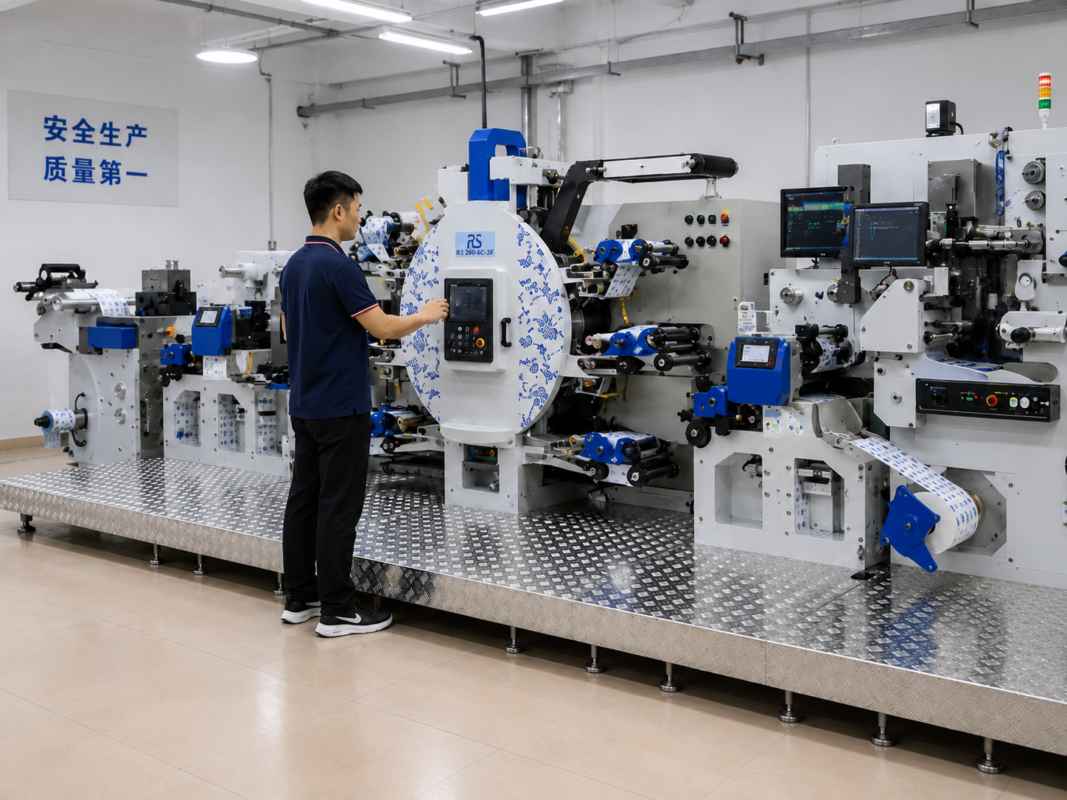
Dây chuyền sản xuất toàn chuỗi Minghe hỗ trợ lựa chọn nguyên liệu, in ấn, sản xuất túi ziplock theo yêu cầu và niêm phong.
Câu hỏi thường gặp
lon PVC, EVA, và TPU đều sử dụng cùng một thành phần ziplock hoặc thanh trượt?
Không phải lúc nào cũng vậy. Zipper and slider components need to be compatible with the base film’s sealing method—HF-welded PVC uses different zipper tooling than heat-sealed EVA or TPU, so component compatibility should be confirmed during sampling, not after tooling is set.
Is EVA actually more eco-friendly than PVC in practice?
EVA is generally chlorine-free and easier to position as eco-conscious, but actual environmental impact depends on recycling infrastructure in the buyer’s market. Phthalate-free PVC is also compliant with major export regulations, so the choice often comes down to marketing positioning as much as material chemistry.
Which material is best for printed branding and logos?
PVC generally offers the best print clarity and color accuracy due to its higher transparency and smooth surface, making it the preferred choice when sharp logo reproduction is a priority.
How much more expensive is TPU compared to PVC?
TPU typically costs several times more than standard PVC per unit, depending on thickness and grade, which is why it is usually reserved for premium or high-durability applications rather than general retail packaging.