(+035) 527-1710-70
 google@gmail.com
 آدرسی را انتخاب کنید

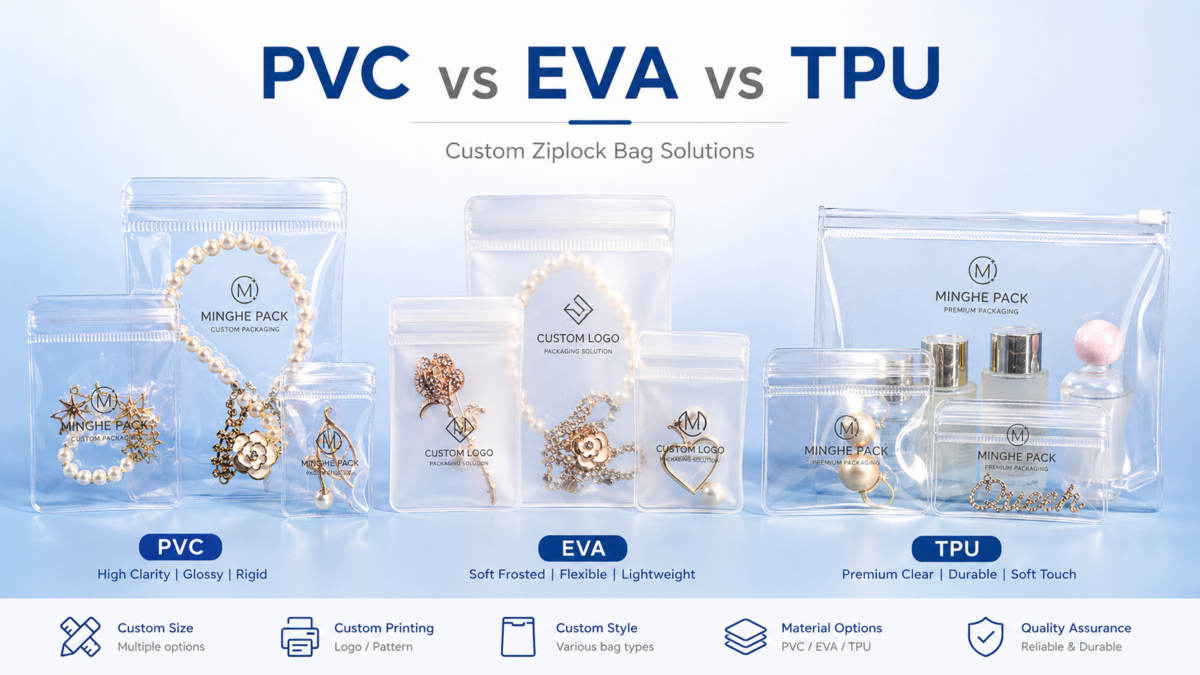
تفاوت واقعی بین PVC چیست؟, EVA, و کیسه های TPU Ziplock?
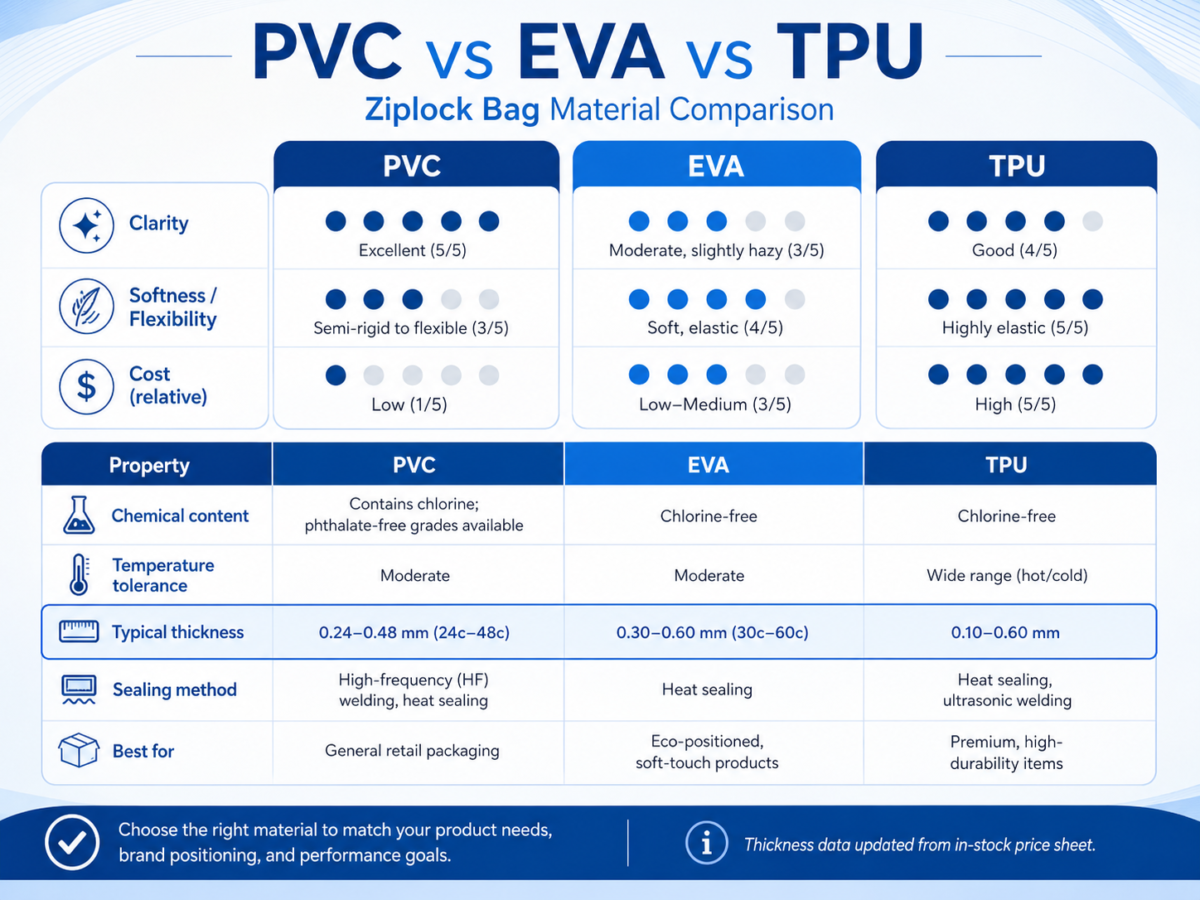
PVC یک پلاستیک سفت و سخت تا نیمه انعطاف پذیر با شفافیت عالی و هزینه کم است, آن را به انتخاب پیش فرض برای بسته بندی های خرده فروشی و عمومی تبدیل می کند. EVA (اتیلن-وینیل استات) نرم تر است, الاستیک تر, and generally marketed as a more eco-conscious alternative due to easier recyclability and lower chlorine content. TPU (Thermoplastic Polyurethane) is the most premium and durable option, offering high elasticity, strong abrasion resistance, and better performance in extreme temperatures, but at a significantly higher material cost.
| اموال | پی وی سی | EVA | TPU |
|---|---|---|---|
| وضوح | عالی | متوسط (slightly hazy) | خوب |
| Softness/Flexibility | Semi-rigid to flexible | نرم, elastic | Highly elastic |
| هزینه (relative) | کم | کم – متوسط | بالا |
| Chemical content | Contains chlorine; phthalate-free grades available | Chlorine-free | Chlorine-free |
| Temperature tolerance | متوسط | متوسط | Wide range (hot/cold) |
| ضخامت معمولی | 0.24–0.48mm (24–48 mil) | 0.30-0.60 میلی متر (30–60 mil) | 0.1–0.6 mm |
| Sealing method | High-frequency (HF) welding, heat sealing | Heat sealing | Heat sealing, ultrasonic welding |
| بهترین برای | General retail packaging | دارای موقعیت محیطی, soft-touch products | Premium, high-durability items |
When Should a Business Choose PVC for Ziplock Bags?
PVC مقرون به صرفه ترین انتخاب برای بسته بندی های خرده فروشی با حجم بالا با شفافیت است, قابل چاپ, و قیمت مهمتر از برچسب گذاری زیست محیطی است. با استفاده از فرکانس بالا به طور تمیز جوش می شود (HF) تجهیزات, خطوط درز تیز را نگه می دارد, و چاپ گراور و صفحه نمایش را با بازتولید رنگ ثابت می پذیرد - مزایایی که آن را به مواد استاندارد برای بسته بندی لوازم آرایشی تبدیل می کند., کیسه های پوشاک, و کیسه های لوازم التحریر.
مشاغلی که PVC را انتخاب می کنند باید درجه استفاده شده را تأیید کنند, زیرا همه PVC برابر نیستند. فرمولاسیون PVC بدون فتالات و سازگار با RoHS اکنون در تولید صادراتی استاندارد است و باید به صراحت در هر قیمتی درخواست شود.. برای اطلاعات بیشتر در مورد فتالات های مورد استفاده در پلاستیک هایی مانند PVC, خریداران می توانند بررسی کنند بررسی اجمالی آژانس شیمیایی اروپا در مورد فتالات ها.
در مینگه, فیلم PVC در داخل از طریق اکستروژن فیلم دمیده تولید می شود, اجازه می دهد تا ضخامت در افزایش های کوچک تنظیم شود (به خوبی 0.01 میلی متر) برای مطابقت با یک محصول خاص به جای تکیه بر گیج های ثابت خارج از قفسه.
- بهترین برای: لوازم آرایشی, لباس, لوازم التحریر, بسته بندی کلی خرده فروشی
- مزایا: کم هزینه, وضوح عالی, چسبندگی چاپ قوی, درزهای جوش داده شده با HF را تمیز کنید
- در نظر گرفتن: تایید بدون فتالات / درجه مطابق با RoHS برای بازارهای صادراتی
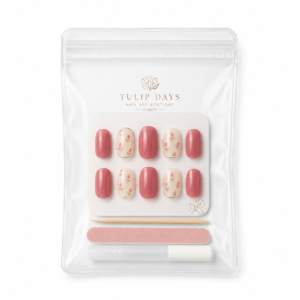
چرا برخی از خریداران EVA را به PVC برای بسته بندی ترجیح می دهند?
خریداران عمدتاً برای موقعیت محیطی درک شده و احساس نرمی دست به EVA می روند, نه برای هزینه کمتر - EVA معمولاً از نظر قیمت مواد اولیه کمی بالاتر از PVC استاندارد است. EVA فاقد کلر است, که پیامهای دفع پایان عمر را برای برندهایی که خود را بهعنوان آگاه از محیطزیست بازاریابی میکنند، ساده میکند, and its softer texture is often preferred for cosmetic bags, کیسه های لوازم بهداشتی, and products marketed toward sustainability-focused retail channels.
The trade-off is reduced optical clarity compared to PVC—EVA typically has a slight haze, which can matter for products relying on full visual transparency for retail display. EVA also requires heat sealing rather than high-frequency welding, which changes seam appearance and requires different production tooling.
- بهترین برای: eco-positioned cosmetic bags, کیسه های لوازم بهداشتی, soft-touch retail packaging
- مزایا: chlorine-free composition, soft texture, easier recyclability messaging
- در نظر گرفتن: slightly reduced clarity versus PVC; requires heat-seal tooling, not HF welding
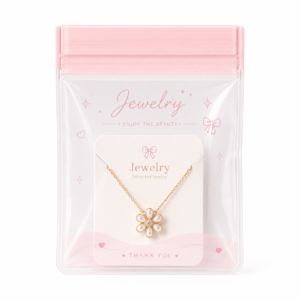
Is TPU Worth the Higher Cost for Ziplock Bag Packaging?
TPU is justified when a product requires repeated flexing, exposure to temperature extremes, یا دوام طولانی مدت فراتر از آنچه PVC یا EVA می تواند به طور قابل اعتماد ارائه دهد - برای مثال, بسته بندی بند ساعت, لوازم جانبی دنده در فضای باز, یا بسته بندی لوازم الکترونیکی ممتاز که در آن کیسه خود بخشی از ارزش محصول درک شده است. هزینه TPU در هر واحد بسیار بیشتر از PVC یا EVA است, بنابراین معمولاً برای خطوط تولید ممتاز یا برنامه هایی که خرابی کیسه هزینه واقعی ایجاد می کند، رزرو می شود (کالاهای آسیب دیده, ادعاهای گارانتی).
مقاومت سایشی و خاصیت ارتجاعی TPU همچنین آن را برای کیسه هایی که چندین بار توسط مشتری نهایی استفاده می شود مناسب می کند., به جای بسته بندی های خرده فروشی یکبار مصرف. آب بندی نیاز به آب بندی حرارتی یا جوشکاری اولتراسونیک دارد, و انتخاب ضخامت در اینجا بیشتر از PVC اهمیت دارد, از آنجایی که هزینه TPU به سرعت با گیج مقیاس می شود.
- بهترین برای: بسته بندی بند ساعت, لوازم جانبی الکترونیکی درجه یک, کیسه های سازمان دهنده قابل استفاده مجدد
- مزایا: خاصیت ارتجاعی بالا, strong abrasion resistance, تحمل دمای گسترده
- در نظر گرفتن: بالاترین هزینه مواد از این سه; آب بندی به تجهیزات اولتراسونیک یا حرارتی نیاز دارد, not HF welding
چگونه یک کارخانه زنجیره کامل به خریداران کمک می کند تا مواد مناسب را انتخاب کنند?
هنگام تولید فیلم، انتخاب مواد آسان تر است, چاپ, و کیف سازی زیر یک سقف اتفاق می افتد, به دلیل ضخامت, وضوح, و کیفیت مهر و موم را می توان در هر مرحله به جای مذاکره جداگانه با چند فروشنده آزمایش و تنظیم کرد. تمام شد 20+ سال تولید پی وی سی, EVA, و بسته بندی TPU, فرآیند مینگه با انتخاب مواد خام و اکستروژن فیلم دمیده شروع می شود, به دنبال آن چاپ, سپس کیسه سازی با روش مهر و موم مطابق با مواد - جوش HF برای PVC, آب بندی حرارتی برای EVA, و جوشکاری حرارتی یا اولتراسونیک برای TPU.
این ادغام عمودی اجازه می دهد تا کیسه های نمونه در مواد متعدد برای مقایسه کنار هم قبل از سفارش انبوه تولید شوند., که مطمئن ترین راه برای تایید وضوح است, استحکام مهر و موم, و نسبت به یک محصول واقعی به جای یک برگه مشخصات مواد به تنهایی احساس می کنید.
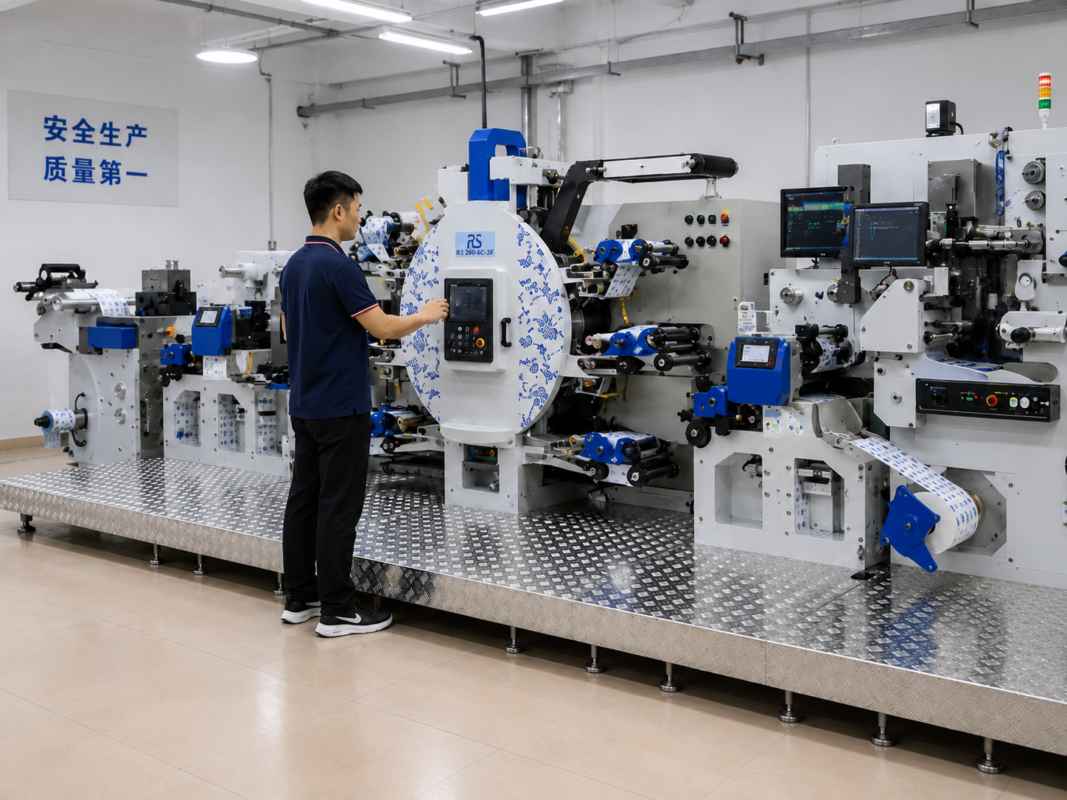
خط تولید زنجیره کامل مینگه از انتخاب مواد پشتیبانی می کند, چاپ, آب بندی و ساخت کیسه های زیپلاک سفارشی.
سوالات متداول
قوطی پی وی سی, EVA, و TPU همگی از یک زیپلاک یا اجزای لغزنده استفاده می کنند?
نه همیشه. اجزای زیپ و لغزنده باید با روش آب بندی لایه پایه سازگار باشند - PVC جوش داده شده با HF از ابزارهای زیپ متفاوتی نسبت به EVA یا TPU مهر و موم شده حرارتی استفاده می کند., بنابراین سازگاری اجزا باید در طول نمونه برداری تایید شود, not after tooling is set.
Is EVA actually more eco-friendly than PVC in practice?
EVA is generally chlorine-free and easier to position as eco-conscious, but actual environmental impact depends on recycling infrastructure in the buyer’s market. Phthalate-free PVC is also compliant with major export regulations, so the choice often comes down to marketing positioning as much as material chemistry.
Which material is best for printed branding and logos?
PVC generally offers the best print clarity and color accuracy due to its higher transparency and smooth surface, making it the preferred choice when sharp logo reproduction is a priority.
How much more expensive is TPU compared to PVC?
TPU typically costs several times more than standard PVC per unit, depending on thickness and grade, which is why it is usually reserved for premium or high-durability applications rather than general retail packaging.