 (+035) 527-1710-70
 google@gmail.com
 住所を選択してください

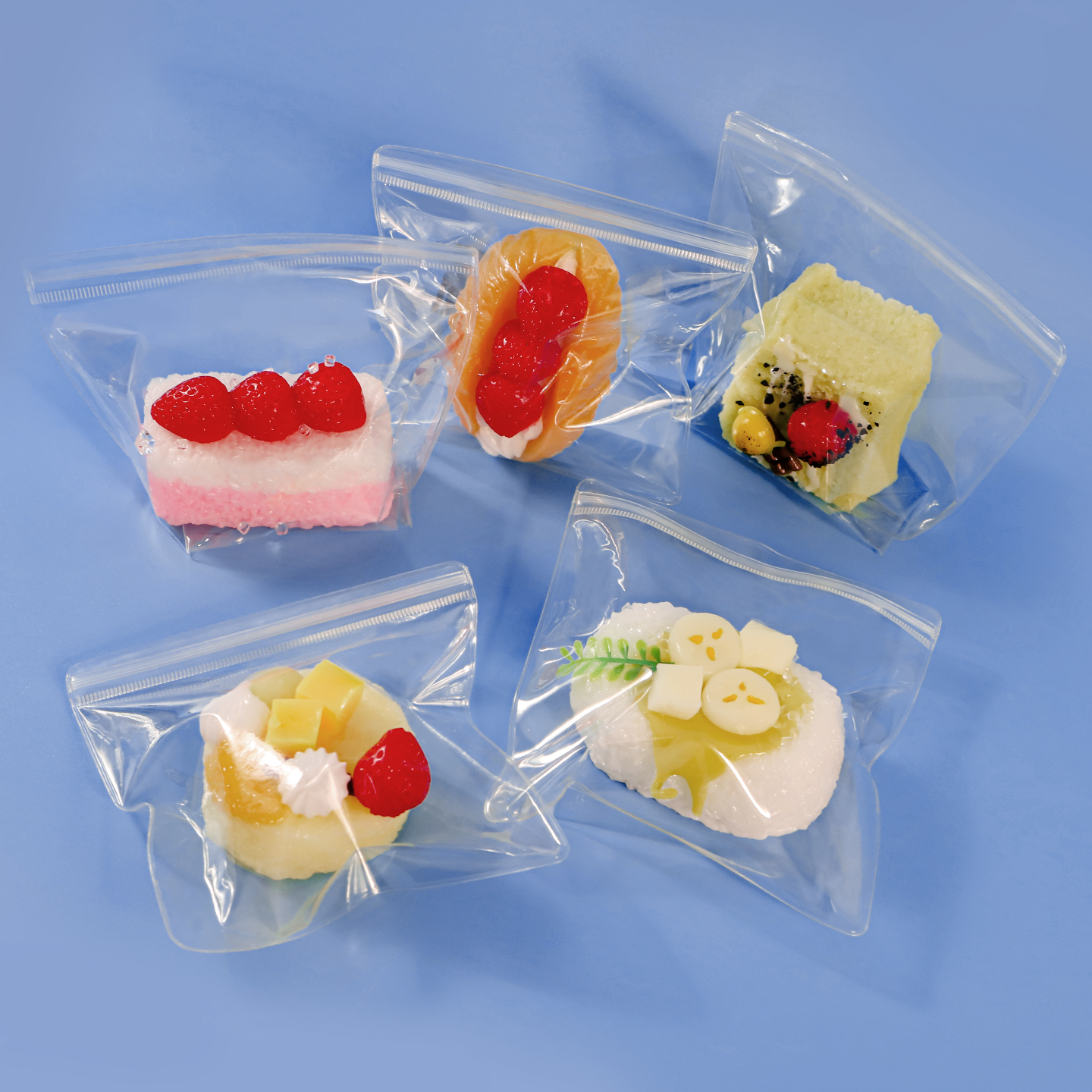
Sourcing the right squishy toy packaging bags is critical for protecting your products during transit and boosting their retail appeal.
Squishy toys — slow-rebound PU foam and silicone figures — need packaging that keeps oil and lint off the surface while still showing the toy’s full shape. That rules out folding cartons for most single-unit SKUs and points buyers toward a resealable film pouch instead. The two materials that dominate this category are PVC そして エヴァ, and the choice between them isn’t cosmetic — it changes clarity, cold-weather durability, compliance risk, and unit cost. Here’s how to make that call correctly.
PVC vs EVA Ziplock Pouch: Side-by-Side
| 要素 | PVC Ziplock Pouch | EVA Ziplock Pouch |
|---|---|---|
| Optical clarity | Glass-like, highest clarity | 高い, slightly softer sheen |
| Cold-chain behavior | Can stiffen and crack near freezing | Stays flexible through winter transit |
| Weight at same gauge | 標準 | ~20% lighter |
| Static / dust cling | 適度 | Lower — resists static better |
| Phthalate risk | Present unless certified with non-phthalate plasticizer | None by default (it’s a copolymer, not a plasticized resin) |
| Typical bulk cost | より低い | 10–20% higher |
| Best format fit | Blind box, hang-sell, header card | EU retail, reusable storage, プレミアム開封 |
| EU PPWR fit | Needs reformulation to qualify | Fits without reformulation |
Why Cold Chain Is the Deciding Factor for Many Buyers
Standard-gauge PVC film (0.10mm–0.18mm, the range typically used for squishy pouches) loses flexibility as temperatures drop, and freight reports commonly cite cracking or brittleness once shipments sit near freezing for extended periods — a real risk for winter ocean freight, unheated warehouses, or northern-climate distribution. EVA doesn’t have this failure mode; its flexibility holds up across the same conditions. If your shipping route touches a cold climate at any point between factory and shelf, that alone can outweigh PVC’s cost advantage.
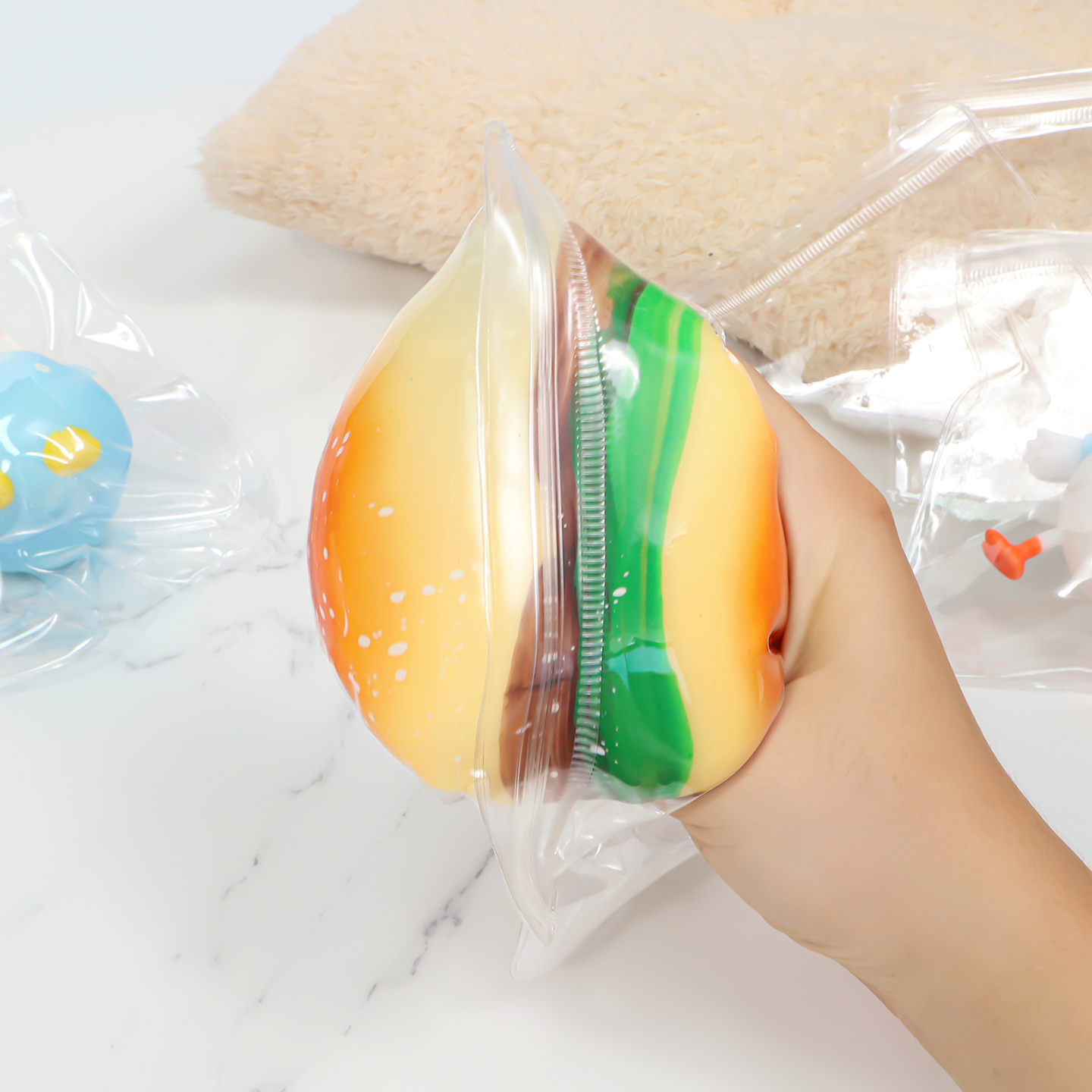
High-quality flexible films like EVA resist cracking and maintain seal strength even under rigorous retail handling or cold-chain transit.
認証: What Actually Applies to a Squishy Toy Pouch
A pouch marketed as a one-time shipping wrapper generally sits outside CPSIA’s testing scope for the film itself. The moment it’s marketed as reusable storage, though, it becomes an “accessible component” under CPSIA — and that changes what documentation you need.
| 標準 | What It Covers | Applies To |
|---|---|---|
| CPSIA / 16 CFR Part 1307 | Limits 8 regulated phthalates to 0.1% (1,000 ppm) — DEHP, DBP, BBP, ディップ, DIBP, DPENP, DHEXP, DCHP | US-bound, reusable-storage pouches |
| ASTM F963 | US mechanical and chemical safety for products aimed at children 12 and under | US toy/packaging sold as a component |
| EN71 | EU flammability and migration limits | EU-bound shipments |
| ISO 8124-1 | Mechanical/physical hazards | Relevant if a rigid zipper pull sits near an under-3 age label |
Two things worth knowing before you order:
- EVA is phthalate-free by chemistry, not by certification claim — it’s a copolymer, so there’s no plasticizer to test for in the first place. That gives it a lower starting compliance risk.
- Certified PVC can pass every standard above, but only with a batch-specific lab report using a non-phthalate plasticizer. A supplier’s general “food-grade” または “baby-safe” label is ない the same as a Children’s Product Certificate — ask for the actual test report, not the marketing phrase.
料金: Where PVC’s Advantage Actually Shows Up
PVC runs roughly 10–20% cheaper than EVA at the same gauge and print spec, mainly because EVA’s softer film slows down the bag-making line. But that gap doesn’t behave the same way at every order size:
| Order Volume | What Drives Cost |
|---|---|
| Under ~5,000 units | Tooling and setup fees dominate — the material price gap barely matters |
| 5,000–50,000 units | Material cost gap becomes visible but still modest |
| Above ~50,000 units | PVC’s per-unit savings compound significantly |
Custom digital printing, embossed branding, and multi-layer film add cost at roughly the same rate on both materials — so those extras don’t shift the PVC/EVA decision either way.
PVC — Pros and Cons
長所
- Lowest per-unit cost at scale
- Highest optical clarity, no window cutout needed
- Crisper crease along the zipper track — good for hang-sell/header-card formats
短所
- Can stiffen or crack in cold-chain conditions
- Needs a batch-specific lab report to clear phthalate limits
- Weaker fit for EU PPWR without reformulation
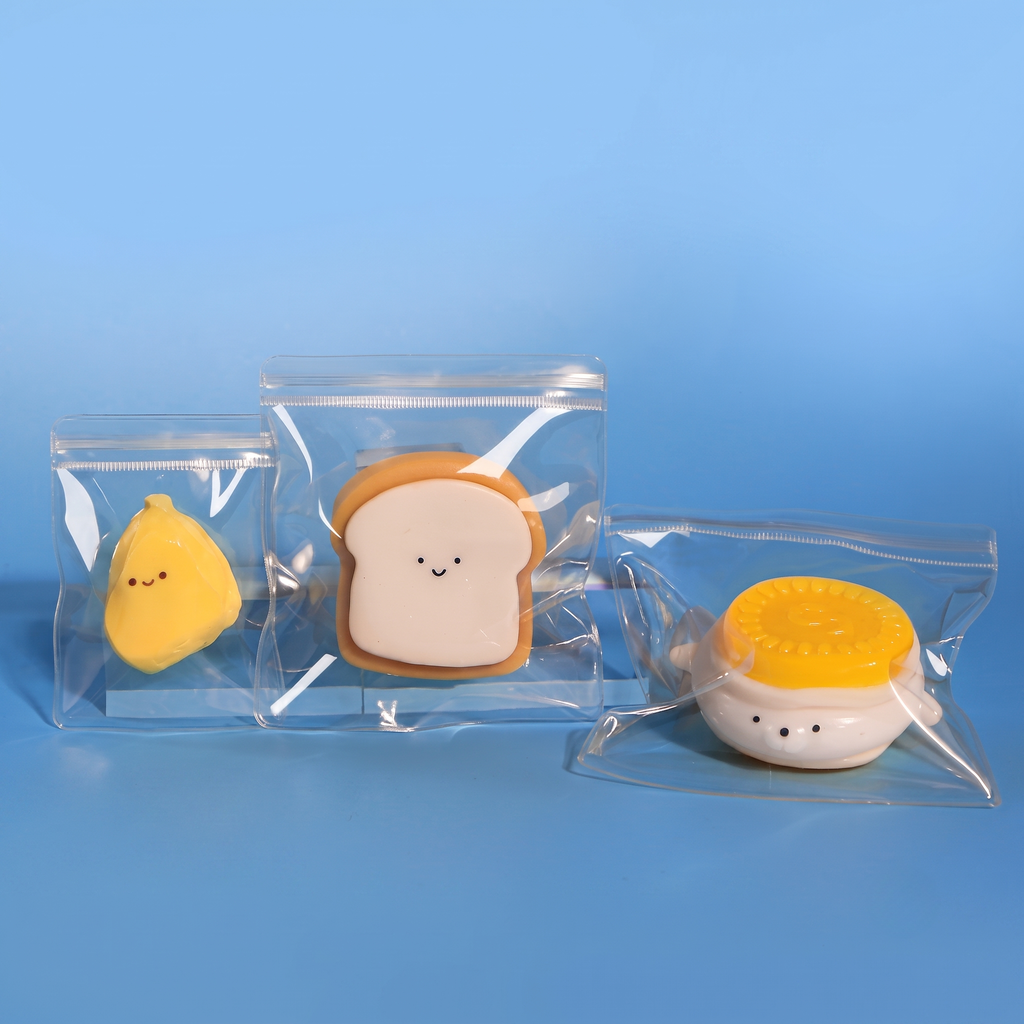
PVC pouches offer the highest optical clarity, providing a glass-like finish that perfectly displays the squishy toy without needing a window cutout.
EVA — Pros and Cons
長所
- Stays flexible through winter freight and cold storage
- Phthalate-free by default — lower compliance overhead
- について 20% lighter at the same gauge; resists static and dust better
- Fits EU PPWR without reformulating the film
短所
- 10–20% more expensive than PVC at equivalent spec
- Slightly softer sheen than PVC’s glass-like clarity
- Slower line speed during bag-making (a factory-side cost, not a buyer-side one — but it’s baked into the price)
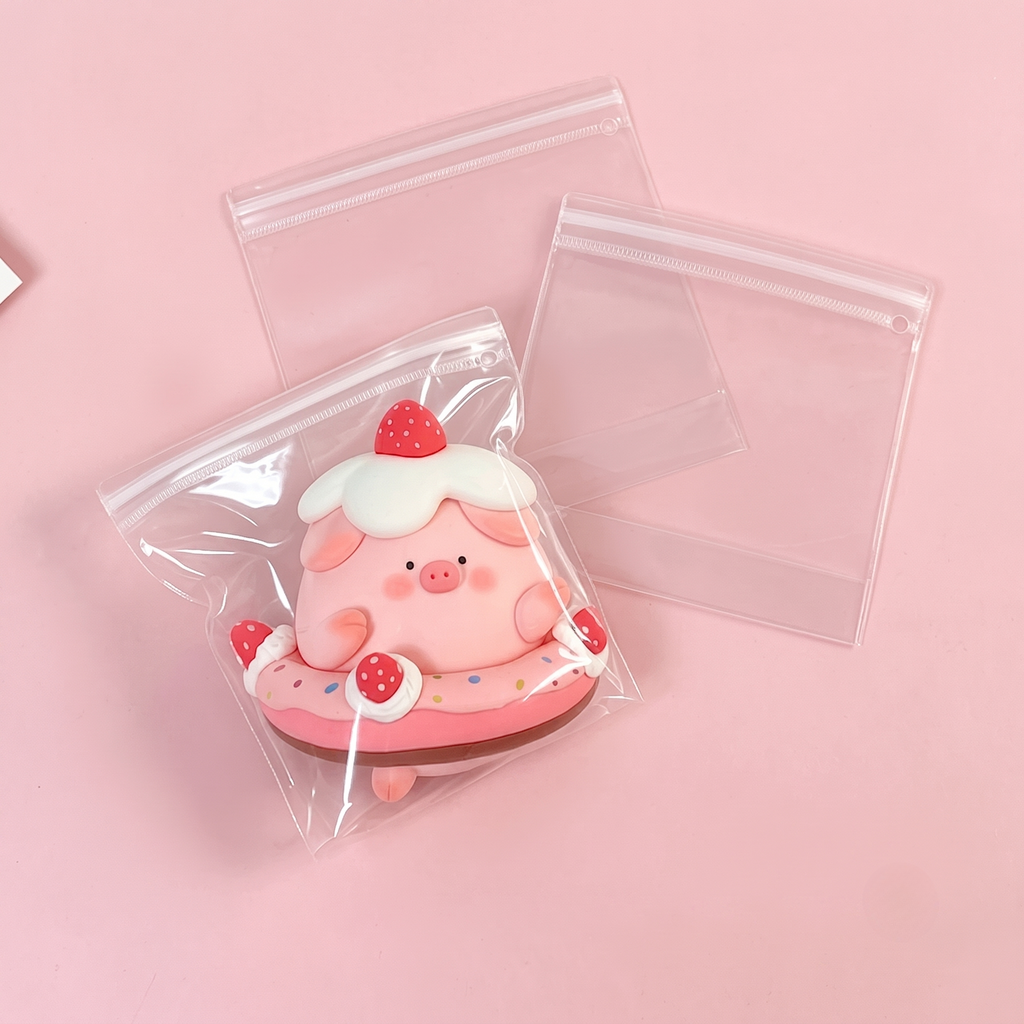
EVA pouches have a slightly softer sheen and are phthalate-free by default, making them a preferred choice for EU-bound shipments.
Three Questions to Settle the Decision
- Does any leg of the shipment pass through cold storage or winter freight? → If yes, lean EVA.
- Is the destination market the EU, or does the buyer’s brand lean “reusable/eco”? → If yes, lean EVA.
- Is this a high-volume (50,000+), cost-sensitive, domestic run? → If yes, lean PVC.
If you answer “はい” to more than one and they conflict, order small trial runs in both materials before committing to a full production batch — the price gap at low volume is small enough that testing costs less than a wrong bulk order.
When a Pouch Isn’t the Right Packaging at All
Ziplock pouches — in either material — stop being a good fit once:
- The squishy exceeds roughly 500g or a palm-sized figure, which stresses the zipper track under repeated retail handling
- It’s a multi-pack, gift set, or collector edition — these need a rigid box or blister card for stacking strength, since a pouch alone adds none
- The shipment is long-haul ocean freight through high-humidity holds — a single-layer pouch isn’t a full moisture barrier over month-long transit and needs a desiccant or outer carton
In these cases, the pouch works best as the primary wrap, with a box or carton handling bulk protection.
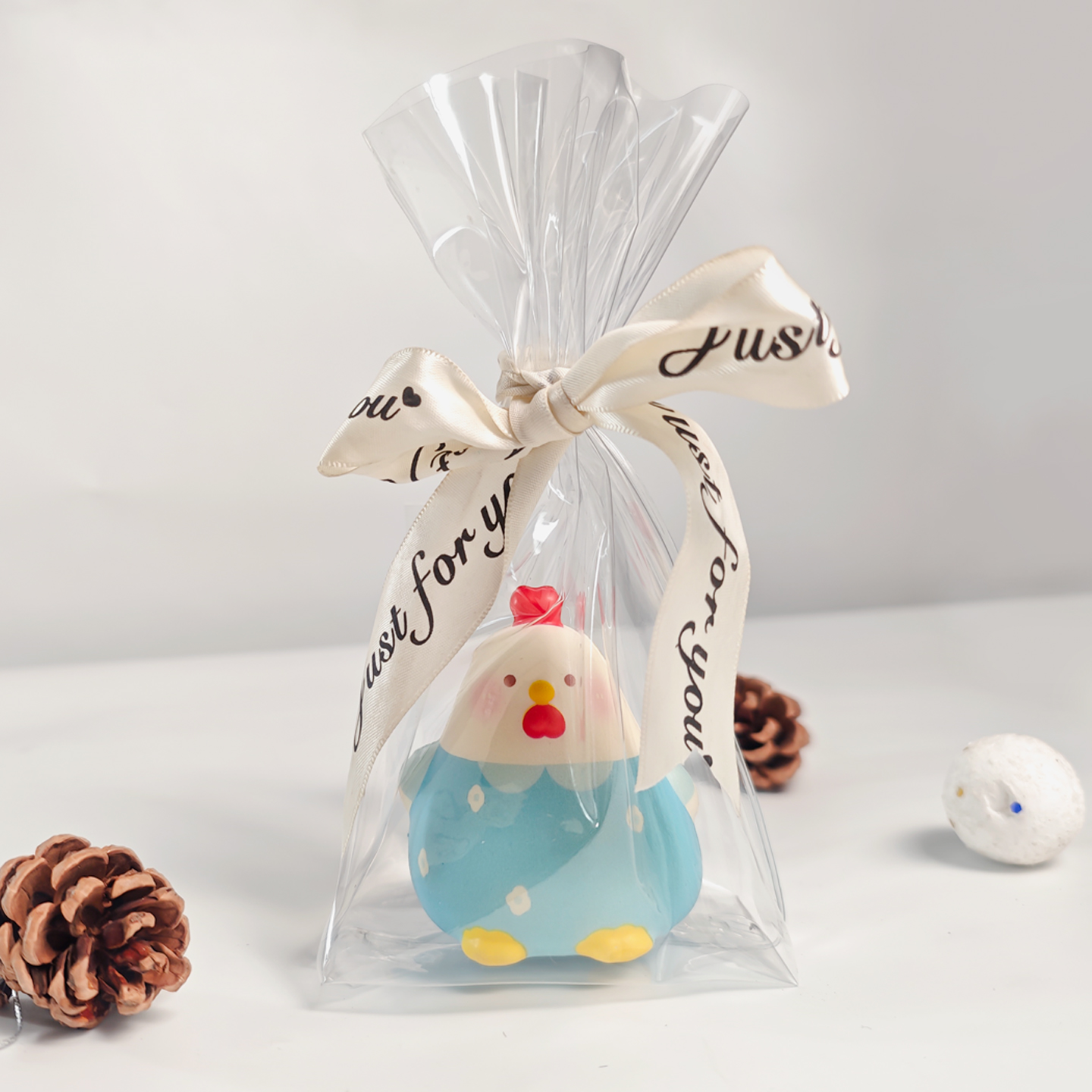
For premium single-unit SKUs or gift sets, a gusseted clear bag paired with a custom ribbon can elevate the unboxing experience.
よくある質問
Is PVC or EVA better for squishy toy packaging?
EVA wins for cold-chain shipping and EU-bound orders; PVC wins for high-volume, cost-sensitive domestic runs. Neither is universally better — match the material to your shipping route and target-market rules, not brand preference.
Does squishy packaging need CPSIA or EN71 certification?
Only if it’s marketed as reusable storage rather than a one-time wrapper — at that point it counts as an accessible component under CPSIA’s 0.1% phthalate limit. EN71 applies in parallel for EU shipments. 一般的な “フタル酸エステル不使用” label isn’t a substitute for a batch-specific test report.
What does custom squishy packaging cost per 1,000 単位?
It depends mainly on material, ゲージ, and print method. PVC typically runs 10–20% cheaper than EVA at the same spec. Below ~5,000 units, setup fees matter more than the material choice; above ~50,000 units, the material cost gap becomes the bigger factor.
Can one supplier produce both PVC and EVA versions of the same pouch?
はい, if the factory runs its own blown-film line rather than buying finished film from a third party — that setup lets a single purchase order switch between PVC, エヴァ, TPU, PE, PP, or OPP without adding a second vendor. Worth confirming: EVA sometimes carries a higher minimum order quantity than PVC at the same factory.