 (+035) 527-1710-70
 google@gmail.com
 Bir adres seçin

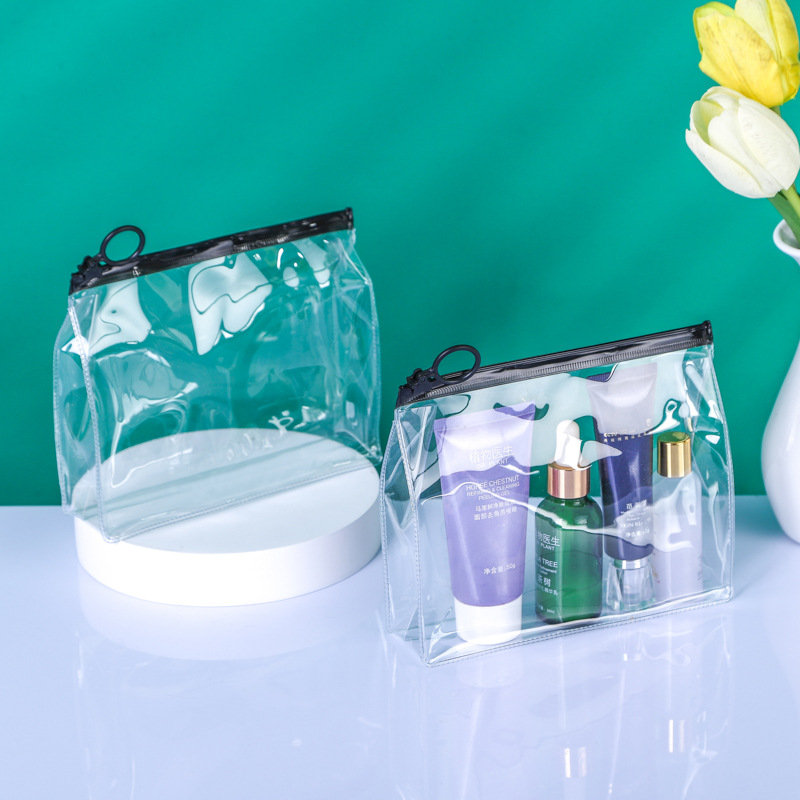
A PVC stand up pouch is a flexible packaging bag made from polyvinyl chloride film with a gusseted bottom that lets it stand upright on a shelf. It’s prized for clarity, düşük maliyetli, and durability, but it isn’t the same as a mylar or PET stand-up pouch — and it isn’t the right choice for every product. Here’s what it actually is, how it compares to alternatives, and how to pick the right spec.
What Is a PVC Stand Up Pouch?
The “ayakta duran torba” part refers to the shape: a bottom gusset folds out to create a flat base, so the bag stands on its own instead of lying flat like a pillow pouch. The “PVC” part refers to the film — polyvinyl chloride, a plastic that’s naturally glass-clear and becomes soft and flexible once plasticizers are added during manufacturing.
That combination makes PVC stand up pouches different from the more common mylar (BoPET), PET, or kraft-laminate stand up pouches used for coffee, snacks, and pet food. PVC leans into transparency and rigidity, not high-barrier freshness protection, so it shows up most often in non-food retail packaging — cosmetics, kırtasiye, hardware, small accessories, and gift items — rather than on the snack aisle.
Key Specs at a Glance
| Bağlanmak | Typical PVC Stand Up Pouch |
|---|---|
| Base material | Polyvinyl chloride film (plasticized) |
| Netlik | Glass-clear to frosted |
| Thickness range | 0.15mm – 0.5mm (about 6–20 mil) |
| Oxygen/moisture barrier | Low-to-moderate |
| Food contact suitability | Generally not recommended |
| Best closures | Zipper, snap button, hook-and-loop |
| Cost tier | Low-to-mid |
| Recycling code | 3 (harder to recycle curbside) |
PVC'ye karşı. Mylar vs. Kraft Paper vs. PET Stand Up Pouches
| Faktör | PVC | Mylar (BoPET/foil laminate) | Kraft Paper Laminate | Plain PET Film |
|---|---|---|---|---|
| Şeffaflık | Harika | None (foil-backed) or window only | None (opaque, natural look) | Harika |
| Oxygen/moisture barrier | Weak | Very strong | Güçlü (with foil layer) | Ilıman |
| Food-grade use | Sınırlı | Common | Common | Common |
| Typical products | Kozmetik, kırtasiye, small goods | Coffee, spices, pet food, supplements | Snacks, tea, “natural” branded goods | Snacks, dry goods |
| Maliyet | Düşük | Mid-to-high | Orta | Orta |
| Shelf life impact | Short-to-medium shelf items | Long shelf life | Long shelf life | Medium shelf life |
Bottom line: if the priority is seeing the product through the bag at a low cost, PVC wins. If the priority is keeping oxygen, nem, and light out for long-term freshness, mylar or foil-laminated kraft outperforms it.
Best Uses for PVC Stand Up Pouches (and Where They Fall Short)
Works well for:
- Kozmetik, takı, and small accessories that benefit from full product visibility
- Stationery, hardware, toys, and craft supplies
- Retail gift packaging and promotional giveaways
- Toiletry and travel organizer pouches
Not a good fit for:
- Foods requiring a strong oxygen/moisture barrier (coffee, jerky, freeze-dried goods)
- Hot-fill or high-temperature contents — plasticized PVC softens and can warp above roughly 40–45°C (105–113°F)
- Long-term frozen storage, where the film can turn brittle in extreme cold
- Brands prioritizing curbside recyclability, since PVC is resin code 3 and is rejected by most municipal recycling streams
Artıları ve Eksileri
Artıları
- Lowest material cost among clear flexible films
- Naturally glass-clear without added coatings
- Good puncture and scuff resistance for a flexible film
- Easy to print, emboss, or heat-weld into custom shapes
- No minimum order requirement at most suppliers for stock sizes
Eksileri
- Weak oxygen and moisture barrier compared to foil or metallized film
- Plasticizers can leach over time, especially with heat/UV exposure
- Generally avoided for direct food contact
- Difficult to recycle in standard municipal programs
- Performance drops at temperature extremes (soft/tacky when hot, soğukken kırılgan)
Common Sizes and Thickness Guide
| Use Case | Typical Size Range | Önerilen Kalınlık |
|---|---|---|
| Small parts / takı | 3″ x 5″ – 5″ x 8″ | 6–8 mil |
| Kozmetik / toiletry | 5″ x 8″ – 7″ x 10″ | 8–10 mil |
| Stationery / gift items | 6″ x 9″ – 9″ x 12″ | 10–12 mil |
| Donanım / heavier goods | 8″ x 12″ and up | 12–20 mil |
Özelleştirme Seçenekleri
- Baskı: digital printing for short runs, gravure/rotogravure for large orders needing precise color matching
- Closures: zipper (most common), snap button, or hook-and-loop for reusable access
- Windows: buzlu, mat, or fully clear panels to control how much product shows
- Extras: hang holes for peg-hook retail display, tear notches, rounded corners, and gusset color matching to brand palette
How Much Do PVC Stand Up Pouches Cost?
Unit price is driven mainly by film thickness, pouch size, print complexity, and order volume. As a rough guide, unprinted stock pouches often run a few cents per piece at volume, while custom-printed, multi-color pouches with a zipper and window can run several times that per unit. Digital printing has lower setup costs and suits runs under a few thousand units; gravure printing lowers the per-unit cost at higher volumes but requires plate setup fees.
How to Choose a PVC Stand Up Pouch Supplier
- Ask for a physical sample in your target thickness before committing to a production run
- Confirm whether the pouch is intended for food contact — most reputable suppliers will state clearly if it isn’t
- Compare MOQ, lead time, and printing method (digital vs. gravür) against your order size
- Check if they can supply a technical data sheet or certificate of compliance for your market
- Request pricing at two or three volume tiers to see where per-unit cost breaks
Is PVC Packaging Recyclable or Sustainable?
PVC carries recycling resin code 3, and most curbside programs don’t accept it because it can contaminate other plastic recycling streams. Brands focused on sustainability messaging often use PVC only for non-consumable, reusable items (like clear travel organizers) tek kullanımlık perakende ambalaj yerine, or they substitute PET, BUGÜN, or paper-based stand up pouches where barrier needs allow it.
SSS (Embeddable)
Is a PVC stand up pouch safe for food packaging?
Generally, no — PVC is not recommended for direct food contact because its plasticizers can migrate into contents, especially with fatty or oily foods and heat exposure. Mylar, PET, or foil-laminated kraft pouches are the standard choice for food brands instead. If you need food-grade packaging, ask your supplier for FDA or equivalent food-contact compliance documentation before ordering.
What’s the difference between a PVC stand up pouch and a mylar bag?
PVC pouches are clear plastic with weak oxygen and moisture barriers, while mylar bags use a metalized or foil-laminated film built for long-term freshness protection. PVC costs less and shows the product clearly; mylar costs more but keeps light, oxygen, and moisture out far better. Choose PVC for visibility-driven, short-shelf-life items and mylar for anything needing extended freshness.
How long do PVC stand up pouches last before they degrade?
Under normal indoor storage, PVC pouches hold up well for a year or more, but heat and UV exposure accelerate plasticizer loss, causing the film to stiffen or become tacky. Pouches left in direct sunlight or hot environments (above roughly 40°C/105°F) can visibly warp within weeks. For long-term storage, keep PVC packaging away from windows, vehicles, and heat sources.
What size PVC stand up pouch do I need for small retail products?
Most small retail items — jewelry, kozmetik, stationery — fit a 5″ x 8″ to 7″ x 10″ pouch at 8–10 mil thickness. Go smaller and thinner (down to 3″ x 5″, 6 mil) for lightweight accessories, and larger/thicker (10 mil-plus) for anything with weight or sharp edges. Always request a sample in the exact size before a bulk order to confirm fit.
Are PVC stand up pouches cheaper than kraft paper or mylar pouches?
Evet, unprinted PVC stand up pouches are typically the lowest-cost option among common stand-up pouch materials, since PVC film itself is cheaper to produce than foil-laminated or metalized structures. The trade-off is barrier performance: kraft and mylar pouches cost more per unit but protect contents from oxygen, nem, and light far more effectively. For non-food, short-shelf-life products, PVC’s lower cost is usually the better value; for anything needing freshness protection, the higher cost of mylar or kraft is generally worth it.