 (+035) 527-1710-70
 google@gmail.com
 Bir adres seçin

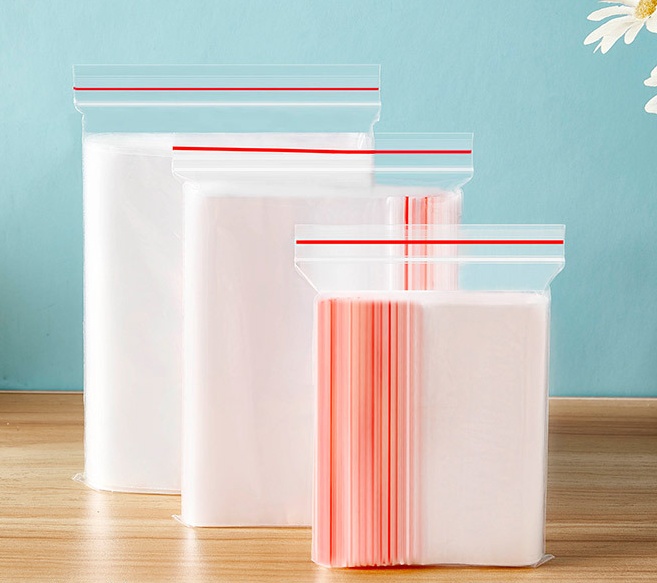
OPP ile karşılaştırılması. PP'ye karşı. Ürününüz için doğru plastik ambalaj torbasını seçmenize yardımcı olacak PE torbalar.
OPP, PP, and PE bags all start as petroleum-based olefin resins, but the way each resin is processed changes clarity, stiffness, and temperature range enough to affect how a product looks and survives on a shelf or in a freezer. Polypropylene (PP) and its stretched form, oriented polypropylene (OPP), come from propylene monomer; polyethylene (PE) comes from ethylene monomer. That single difference in the starting molecule explains most of the gap in melting point, density, and cold performance covered below.
What Do OPP, PP, and PE Stand For?
OPP is a biaxially or uniaxially stretched polypropylene film, not a separate raw material from PP. Stretching aligns the polymer chains, which is what pushes clarity and tensile strength above plain cast PP film. PE splits into two common grades: low-density polyethylene (AYPE), which is soft and stretchy, and high-density polyethylene (HDPE), which is stiffer and more opaque. Woven PP bags — used for rice, feed, and cement — are a third PP format, made by weaving flat PP tape rather than casting or stretching film.
How Do OPP, PP, and PE Compare Side by Side?
| Mülk | OPP Film | PP (Cast/Woven) | PE (LDPE/HDPE) |
|---|---|---|---|
| Yoğunluk | ~0.90–0.91 g/cm³ | ~0.90–0.91 g/cm³ | 0.910–0.965 g/cm³ |
| Melting point | ~160–170°C | ~160–170°C | 105–115°C (AYPE), 130–137°C (HDPE) |
| Netlik | Highest, glass-like | Orta, hazier than OPP | Daha düşük; HDPE most opaque |
| Tensile strength | Highest, low stretch | Orta | Lower strength, high stretch |
| Cold tolerance | Poor below ~0°C | Poor below ~0°C | Stays flexible to about -50°C |
| Tipik kalınlık | 20–40 microns | Woven: 60–120 GSM | 20–150+ microns |
| Resin ID code | 5 (PP) | 5 (PP) | 2 (HDPE) / 4 (AYPE) |
| Common use | Garment/header bags, snack film | Rice/feed/cement sacks | Mailers, produce bags, frozen food bags |
Is an OPP Bag Just a Type of PP Bag?
Yes — OPP is PP that has been stretched during manufacturing, not a chemically different plastic. Both share resin identification code 5 and a melting point near 160–170°C, per Society of the Plastics Industry (SPI) resin coding conventions. The stretching step is what separates the two in use: OPP tears cleanly along a straight line once punctured, while unstretched PP resists a starting tear better but scuffs more easily. A garment retailer choosing between a glossy header bag and a woven rice sack is really choosing between two processing methods of the same base resin, not two different plastics.
Which Material Survives the Freezer Without Cracking?
PE, particularly LDPE, is the only one of the three suited to sub-zero storage. LDPE remains flexible down to roughly -50°C, which is why frozen vegetable bags and ice bags are almost always PE rather than PP or OPP. PP and OPP both turn brittle below about 0°C and can crack at the seal line under freezer conditions. A seafood processor packing product for -18°C storage should default to PE film, not an OPP or cast-PP alternative, regardless of clarity preference.
Which Material Gives the Glossiest, Clearest Shelf Look?
OPP delivers the highest optical clarity and gloss of the three materials, commonly cited above 90% light transmission for standard 25-micron film. That clarity is why greeting cards, garment header bags, and bakery window bags default to OPP rather than PE or cast PP. HDPE is the most opaque of the group, with a visibly frosted, waxy surface that works against products relying on visual shelf appeal. A cosmetics brand shipping a clear header bag for retail hooks gains more from OPP’s gloss than from PE’s lower cost.
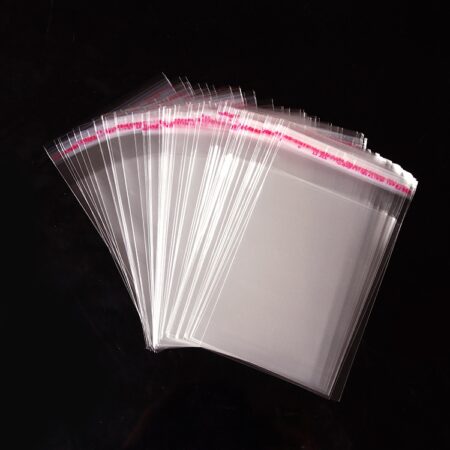
OPP film delivers glass-like optical clarity, making it the industry standard for garment header bags and premium retail displays requiring over 90% light transmission.
Which Material Holds Up Under Heavy or Sharp Loads?
Woven PP sacks and HDPE film carry heavier and sharper loads better than OPP film. Woven PP’s cross-hatched tape structure distributes point-load stress, which is why 25 kg and 50 kg rice, feed, and cement bags use woven PP rather than OPP or plain LDPE. HDPE film, despite being thinner than woven PP, resists puncture through high elongation at break rather than raw stiffness — a torn corner tends to stretch instead of run. OPP film, by contrast, has the lowest puncture tolerance of the three once a nick starts, since its stretched structure propagates tears in a straight line.
What Are the Pros and Cons of Each Material?
OPP Bags: Artıları ve Eksileri
- Artıları: Highest clarity and gloss; strong moisture barrier; crisp printing surface for flexographic and gravure printing.
- Eksileri: Brittle below 0°C; tears propagate once started; not suited to heavy or sharp-edged contents.
PP Bags: Artıları ve Eksileri
- Artıları: Higher heat resistance than PE (up to ~170°C); good chemical resistance; woven form handles heavy bulk loads.
- Eksileri: Lower clarity than OPP; still brittle in cold storage; woven form is not airtight without a liner.
PE Torbalar: Artıları ve Eksileri
- Artıları: Best cold-temperature flexibility; highest puncture and stretch tolerance; lowest material cost per bag in most markets.
- Eksileri: Lower clarity and gloss than OPP; softer feel reads as “daha ucuz” on premium retail shelves; HDPE surface can look frosted.
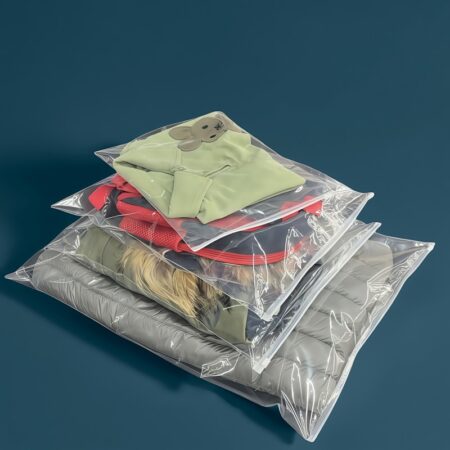
When Should You Avoid Each Material?
OPP is the wrong choice for frozen storage, for bags holding sharp or heavy items like hardware or glass, and for any application needing high puncture resistance without added lamination. Woven PP sacks are the wrong choice for primary food contact packaging that needs an airtight seal, since the woven tape structure alone lets in dust and moisture without an inner liner. PE is the wrong choice when a brand’s shelf strategy depends on glass-like clarity or a stiff, premium hand-feel, since PE film reads softer and hazier than OPP at comparable thickness.
Which Bag Fits Your Product? A Quick Decision Guide
- Giyim, header cards, gift items: OPP self-adhesive or header bags for clarity and print quality.
- Bakery, snack, dry food: OPP for shelf appeal, or laminated OPP/PE for a combined barrier and seal.
- Frozen food, seafood, ice: PE (AYPE) for cold flexibility down to about -50°C.
- Rice, feed, cement, bulk agriculture: Woven PP sacks for load-bearing strength.
- E-ticaret gönderimi, postalar: PE (LDPE/HDPE blend) for tear resistance and low cost.
- Retail shopping bags: HDPE for a crinkly, cost-efficient carry bag.
SSS
What is the difference between OPP bags and PE bags?
OPP bags are stretched polypropylene film with the highest clarity of the two, while PE bags are polyethylene film with far better cold flexibility. OPP transmits over 90% of light at standard gauge and turns brittle below roughly 0°C, while PE (especially LDPE) stays flexible down to about -50°C. OPP is the default for glossy garment and header bags; PE is the default for frozen food and shipping bags. Choose based on whether shelf clarity or cold-temperature durability matters more for the product.
Is a PP bag the same as an OPP bag?
HAYIR, but they share the same base resin — OPP is PP film that has been stretched during manufacturing. Both carry resin identification code 5 and melt near 160–170°C, so they behave the same under heat. The stretching step gives OPP higher clarity and tensile strength but makes it more prone to straight-line tearing once punctured, while unstretched PP (cast or woven) resists the initial puncture better. Pick OPP for print clarity and PP (especially woven PP) for bulk load strength.
Which is better for food packaging, PP or PE?
PE is generally better for food that needs cold storage, while PP is better for food that needs heat resistance up to about 170°C, such as hot-fill or microwaveable pouches. PE film offers a stronger moisture barrier at low cost and remains food-contact safe under FDA 21 CFR 177.1520 for olefin polymers. PP holds up better against oils and higher-temperature filling but is not suited to freezer storage since it turns brittle near 0°C. The right choice depends on the product’s temperature range, not on price alone.
Can OPP bags be used for frozen food?
Not reliably — OPP becomes brittle and prone to cracking at typical freezer temperatures near -18°C. Standard OPP film loses flexibility below roughly 0°C, well above normal frozen storage conditions, so seams and corners are likely to split during handling. Frozen food packaging should use LDPE film instead, which stays flexible down to about -50°C. A laminated OPP/PE structure can work if the design specifically calls for OPP’s outer gloss over a PE inner layer rated for cold.
Are PP, OPP, and PE bags recyclable?
All three are technically recyclable resins, but acceptance depends on local municipal programs and bag thickness. PP and OPP both carry resin identification code 5, while PE carries code 2 (HDPE) or code 4 (AYPE), per Society of the Plastics Industry conventions. Thin film formats — including OPP bags and LDPE mailers — are commonly excluded from curbside recycling and instead require store drop-off film-recycling programs. Rigid PP and HDPE containers are more widely accepted curbside than any of the thin bag formats covered here.
Need help selecting a bag specification? See our custom plastic packaging bag guide for film thickness, sealing and printing options.