 (+035) 527-1710-70
 google@gmail.com
 เลือกที่อยู่

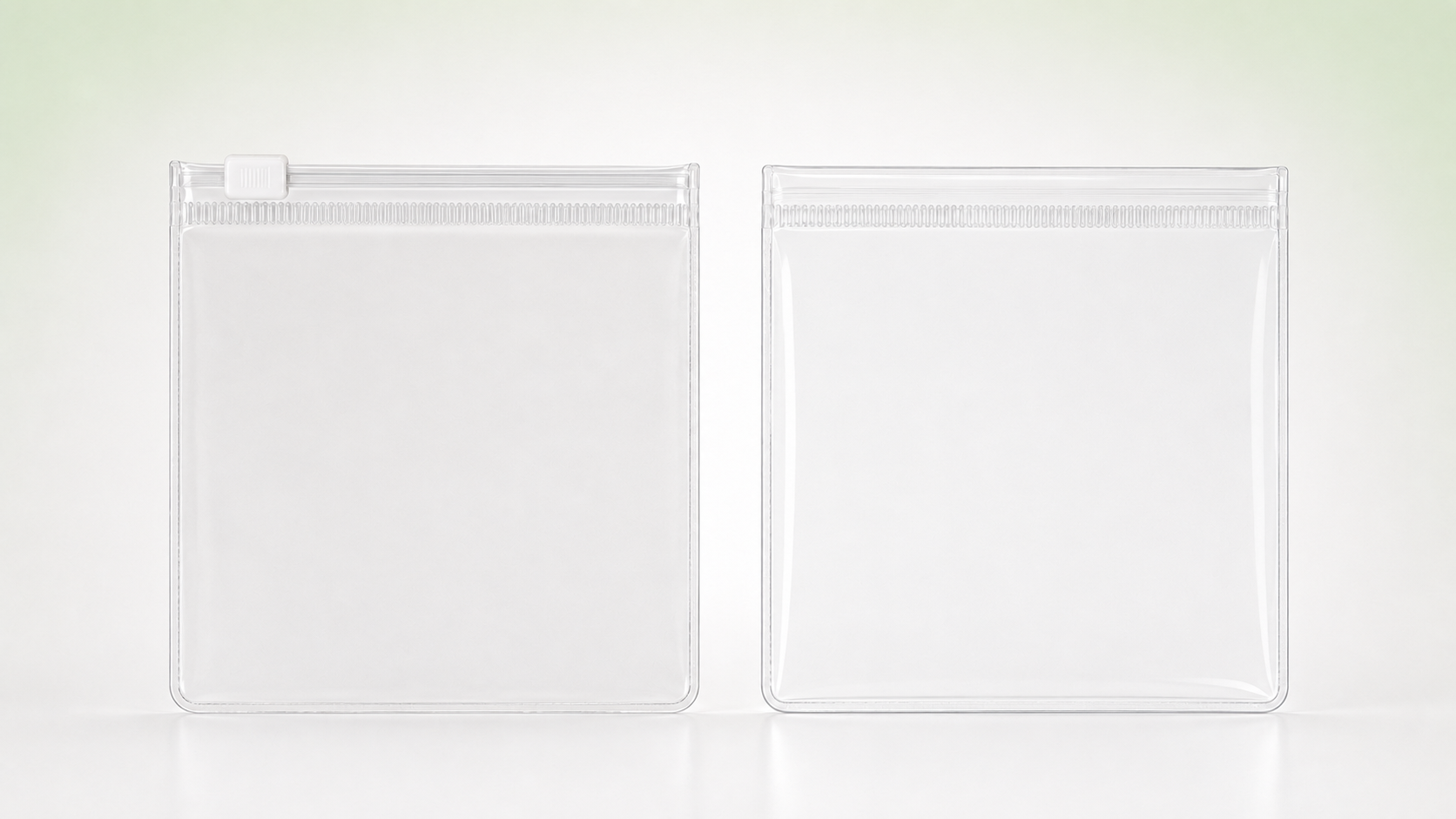
เมื่อเลือกบรรจุภัณฑ์แบบยืดหยุ่นที่เหมาะสม, the debate of Slider Zipper vs Press-to-Close bags often comes down to user experience and cost. Slider zippers cost more but seal more consistently.Slider zippers cost more but seal more consistently and feel more premium — pick them for retail, food, and repeat-use packaging where user experience matters. กดเพื่อปิด (grip seal) zippers cost less and work well for bulk, industrial, or occasional-reseal packaging where price per unit is the deciding factor. Here’s how to tell which one actually fits your product.
How Each Closure Actually Works
Both formats start from the same building block: two extruded plastic ribs — an “arrowhead” profile — that interlock along the top of the bag. What differs is how the user engages that seal.
- กดเพื่อปิด (grip seal) zipper — the user pinches the two ribs between finger and thumb and runs them along the track until they lock. This is the mechanism behind Ziploc-style bags, Minigrip bags, and most bags marketed as “grip seal” หรือ “self-seal.”
- ซิปเลื่อน — a small plastic tab rides on top of the same rib track. Pushing the slider left or right forces the ribs open or closed automatically, so the user never presses the seal directly.
Same underlying seal, different way of operating it — and that single difference drives every trade-off below.
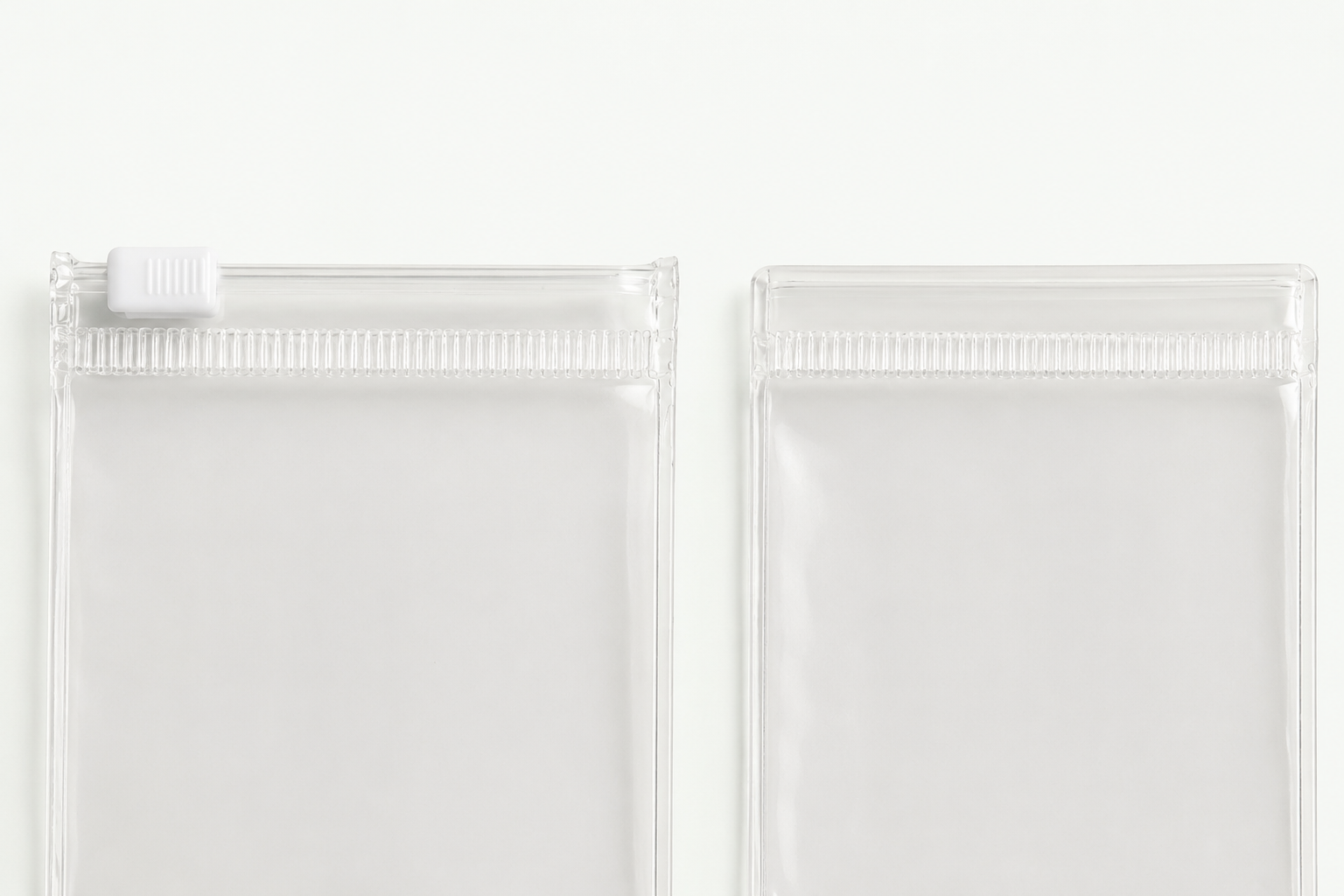
Close-up comparison of a PVC slider closure and a PVC press-to-close zipper profile.
กดเพื่อปิด (กริปซีล): Pros and Cons
ข้อดี
- Lowest cost per bag — fewer components to manufacture and assemble
- Instantly familiar to any user, no learning curve
- Works at very small and very large bag sizes without extra tooling
- Fewer mechanical failure points — no slider to crack, jam, or fall off
ข้อเสีย
- Seal quality depends on the user pressing the entire track — partial closure is common
- Slower and harder for people with limited hand strength (children, seniors, arthritis)
- No audible or visual “confirmed closed” signal
- Reads as more basic, lower perceived value on a retail shelf
Slider Zipper: Pros and Cons
ข้อดี
- One motion seals the whole track evenly, reducing leak points
- Faster and easier to use, including for kids, seniors, or gloved hands
- Signals premium packaging, which can support higher price points
- Can be engineered for child-resistant closure or an audible “click” confirmation
ข้อเสีย
- Higher unit cost — extra component plus an assembly step
- Slider can crack, jam, or detach if the film or slider material is low grade
- Slightly bulkier profile; less ideal for ultra-thin or very small pouches
- More parts that can fail over the product’s shelf life
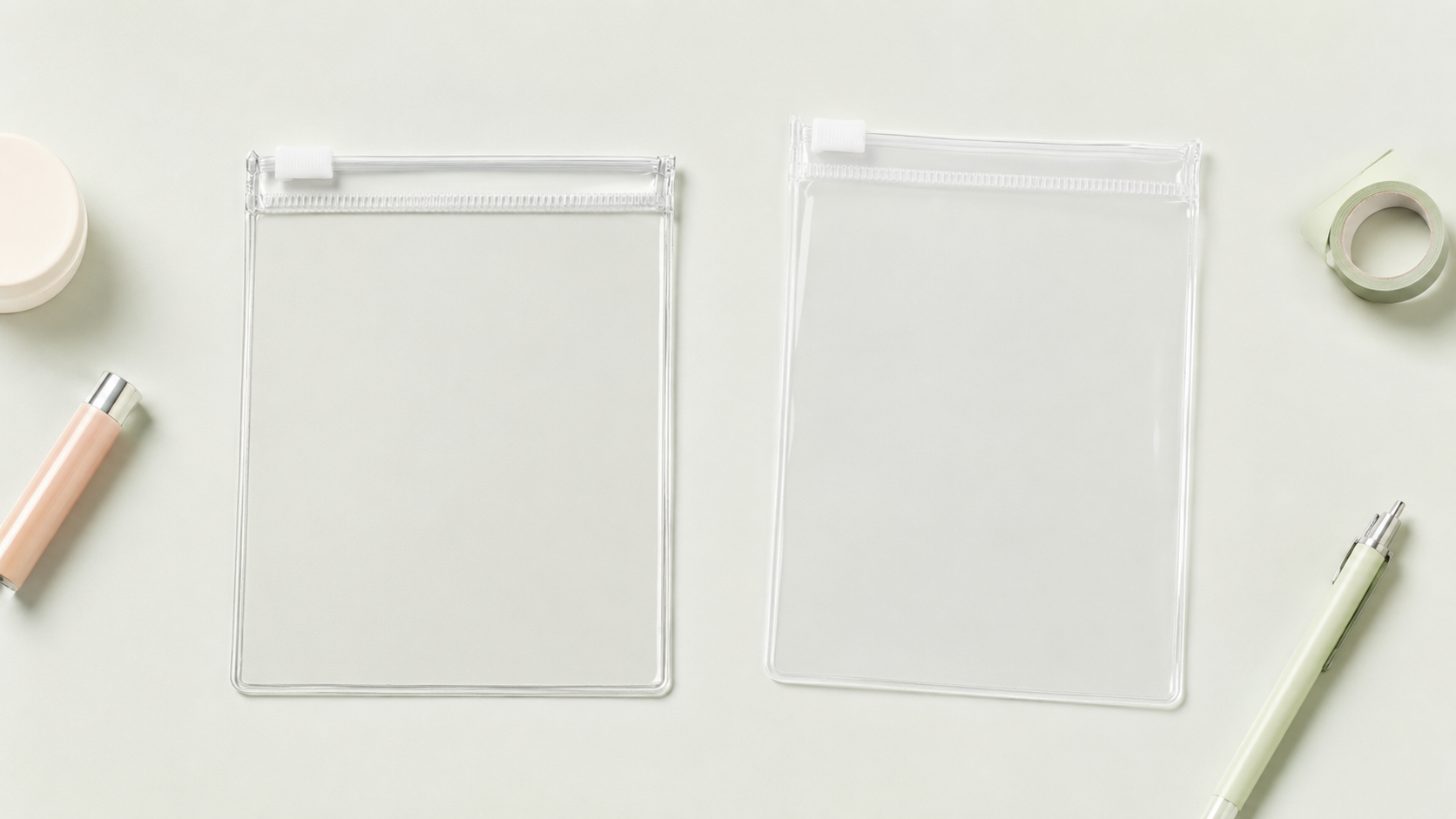
Slider vs. กดเพื่อปิด: เคียงข้างกัน
| ปัจจัย | Slider Zipper | กดเพื่อปิด (กริปซีล) |
|---|---|---|
| ต้นทุนต่อหน่วย | สูงกว่า | ต่ำกว่า |
| Ease of use | Easiest — one motion | Needs finger pressure along the full track |
| Seal consistency | สูง, even every time | Variable — depends on the user |
| Perceived quality | Premium | มาตรฐาน / functional |
| Ideal bag size range | Medium to large | Small to large |
| Child-resistant option | ใช่ (engineered slider) | หายาก |
| Common in | Retail food, เครื่องสำอาง, garment bags | Jewelry bags, ชิ้นส่วนขนาดเล็ก, bulk poly bags |
| Main failure risk | Slider mechanism | User error (incomplete seal) |
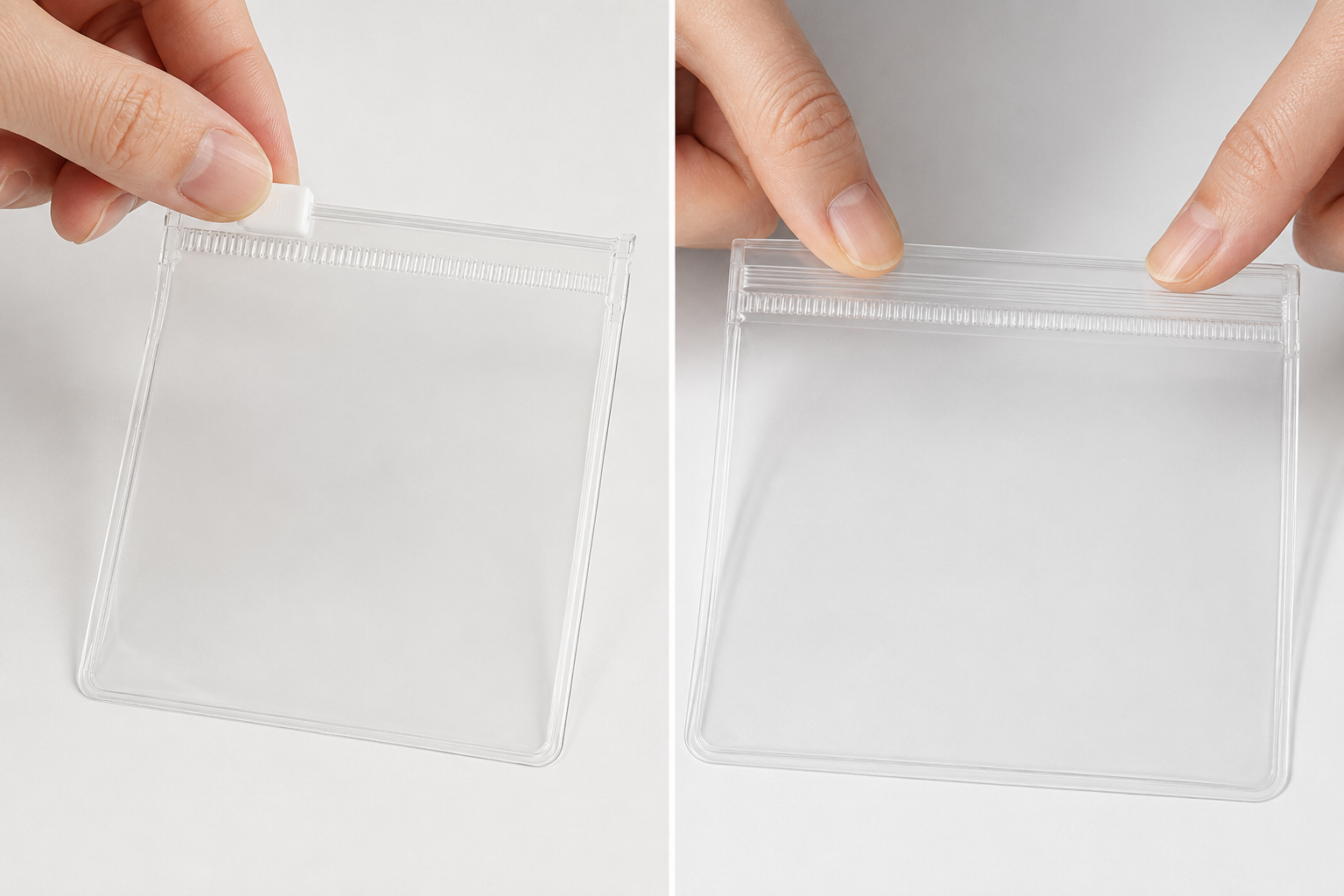
A slider moves along the rail, while a press-to-close zipper is engaged by finger pressure.
Which One Fits Your Product?
Match the closure to how the bag is actually opened and closed in real use — not just to what looks nicer in a catalog photo.
- Frequent reopening by the end customer (snacks, coffee, garment storage) → แถบเลื่อน. Repeated use exposes a weak press-to-close seal fast.
- One-time or occasional reseal (เครื่องประดับ, ชิ้นส่วนขนาดเล็ก, screws, เหรียญ) → press-to-close. The bag is opened once or twice, so cost savings outweigh convenience.
- Retail shelf appeal or premium branding (เครื่องสำอาง, boutique apparel, gift packaging) → แถบเลื่อน. The closure becomes part of the unboxing experience.
- High-volume, price-sensitive bulk packaging (warehouse, industrial parts, wholesale supply) → press-to-close. Fractions of a cent per unit add up fast at scale.
- Products for children, seniors, or users with reduced grip strength (medication, household goods) → แถบเลื่อน, with a child-resistant variant for anything kids shouldn’t open.
- Liquids, powders, or fine granules → either closure can work, but insist on a reinforced or double-track seal — track count matters more here than closure style.
Where Material (พีวีซีเทียบกับ. อีวา) Comes In
The closure choice doesn’t happen in isolation from the film itself:
- PVC film is stiffer and holds its shape, which makes it easier to run a smooth slider track and keep the bag rigid on a shelf — a common pairing for cosmetic, garment, and gift-style zipper bags.
- EVA/PEVA film is softer and more pliable, suiting press-to-close or lighter slider formats for jewelry pouches, travel bags, and reusable storage where flexibility and a soft, “jelly-like” feel matter more than shelf rigidity.
If you’re deciding between PVC and EVA และ between slider and press-to-close at the same time: settle the closure first based on how the end user reopens the bag, then pick the film based on the clarity, flexibility, and eco-profile your product needs.
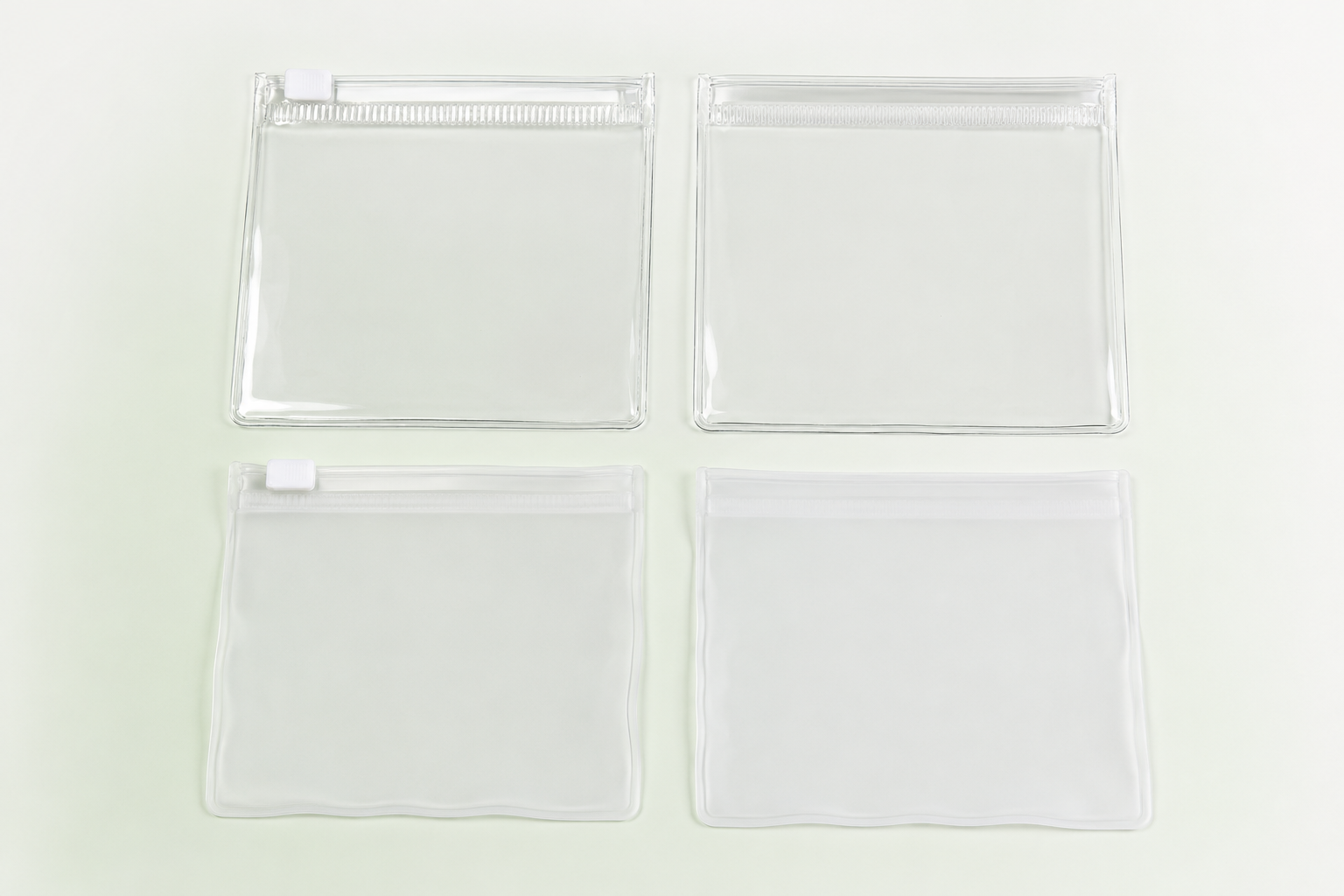
PVC and EVA films can be paired with different closure structures subject to design compatibility.
Quick Decision Checklist
- Will the customer reopen this bag more than once? → Lean แถบเลื่อน
- Is unit cost the primary constraint? → Lean press-to-close
- Does the bag need to look premium on a shelf? → Lean แถบเลื่อน
- Is this a one-time-use industrial or B2B pack? → Lean press-to-close
- Do children or reduced-dexterity users need to open it? → Slider, child-resistant if required
คำถามที่พบบ่อย
ไตรมาสที่ 1: What’s the actual difference between a slider zipper bag and a ziplock bag — aren’t they the same thing?
They use the same interlocking rib seal underneath, but the way you close them is different. A ziplock (press-to-close) bag requires you to pinch and run your fingers along the full track; a slider bag has a plastic tab that does that work in one sweep. In practice, slider bags seal more consistently because the mechanism controls the closure — whereas a ziplock seal is only as good as the user’s technique.
ไตรมาสที่ 2: Are slider zipper bags more expensive, and is the cost difference worth it?
ใช่, slider bags cost more per unit due to the extra slider component and the additional assembly step. Whether that’s worth it depends on use case: for retail products where customers interact with the bag repeatedly, the improved seal and premium feel can justify a higher price point and reduce returns from damaged or stale contents. For B2B or industrial packaging where bags are used once or twice, the cost premium rarely pays off.
ไตรมาสที่ 3: Should I use a PVC or EVA bag with a slider zipper?
PVC film pairs more naturally with slider zippers because its stiffer structure keeps the track stable and the bag upright on a shelf — which is why most cosmetic, garment, and gift-style slider bags are made from PVC. EVA/PEVA film is softer and more flexible, so it works better with press-to-close closures or lighter slider formats used in jewelry pouches and travel bags. If shelf rigidity and a glossy look matter, go PVC with a slider; if softness, flexibility, and a lower eco-footprint matter more, go EVA with press-to-close.
บรรทัดล่าง
There’s no universally “better” zipper — only a better fit. Press-to-close bags win on cost and simplicity; slider bags win on consistency, ease of use, and shelf presence. Start from how the bag will actually be opened in real life, then let cost and branding goals settle the final call.