 (+035) 527-1710-70
 google@gmail.com
 Pilih alamat

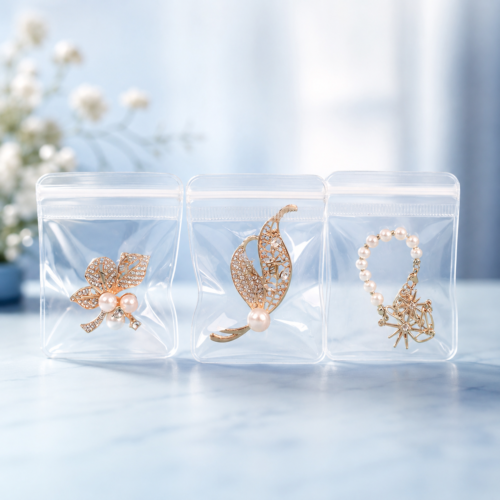
Jawaban cepat: Tas ziplock EVA adalah kantong yang dapat ditutup kembali yang terbuat dari etilen-vinil asetat (EVA) — yang lembut, rubber-like plastic that’s lighter and less toxic than PVC. It closes with a press-to-seal or slider zipper and shows up most often in jewelry pouches, cosmetic bags, kotak alat tulis, and printed promotional giveaways.
What Is an EVA Ziplock Bag?
The name describes two things at once: the material (EVA) and the closure (a zipper track that lets you reopen and reseal the bag). EVA is a copolymer of ethylene and vinyl acetate — the more vinyl acetate (VA) in the mix, the softer, lebih jelas, and more flexible the finished film.
That softness is the giveaway. Pick up an EVA bag next to a stiff PE sandwich bag or a glossy PVC pouch, and the difference is immediate: EVA has a slightly rubbery, “jelly” merasa. That’s why it’s the default choice for anti-tarnish jewelry pouches, frosted makeup bags, and soft pencil cases rather than for grocery or trash bags. The term “ziplock” itself is now used generically for any resealable-zipper bag, tracing back to an interlocking-track design from the 1950s — similar to how “Ziploc” became a household name for one specific brand.
Production follows a set chain: resin is blown into film, the film is printed with color, frosting, or a logo, then it’s cut and heat-sealed with a zipper track fused along the top edge.
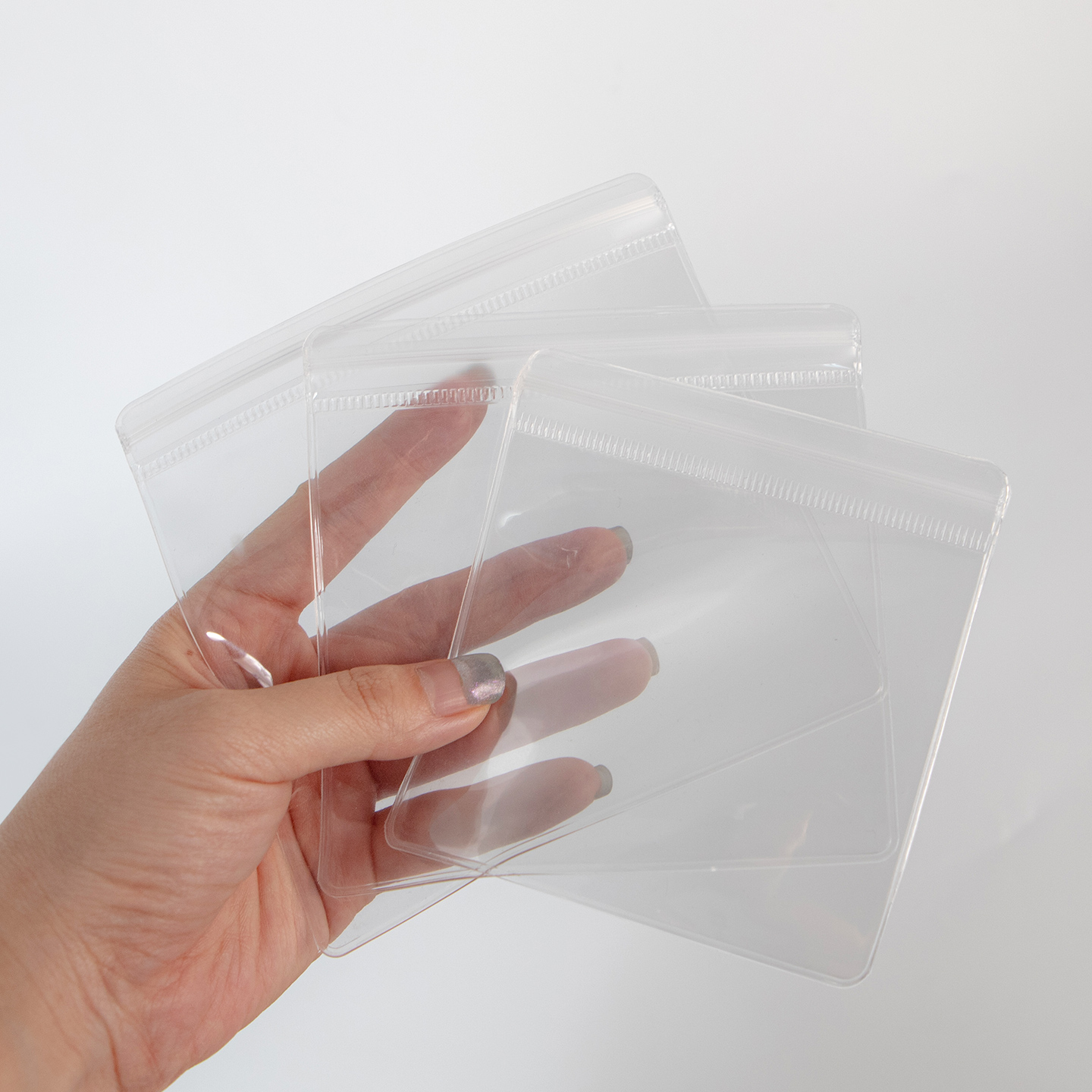
Clear EVA Ziplock Bag Material and Sizes
Specs at a Glance
| Milik | Typical Range |
|---|---|
| Bahan | EVA (ethylene-vinyl acetate copolymer) |
| Ketebalan | 20–60mil (0.20–0,60mm) |
| Kepadatan | 0.91–0.93 g/cm³ (vs. ~1.32 for PVC) |
| Menyelesaikan | Jernih, buram, or custom-colored |
| Penutup | Press-to-close zipper or slider |
| Odor | None to faint, depending on resin grade |
| Common sizes | 2″×2″ jewelry pouches up to 12″×18″+ retail bags |
| Heat tolerance | Stays flexible in cold; not microwave- or oven-safe |
Pro dan Kontra
Kelebihan
- Lightweight and soft to the touch
- Non-toxic, Bebas BPA, and generally phthalate-free
- Good clarity in both clear and frosted finishes
- Handles repeated opening and closing well
- Resists water, debu, and light punctures
Kontra
- Not biodegradable — recyclable, but slow to break down in landfill
- Softer and less abrasion-resistant than TPU over time
- Lower-grade recycled resin can carry a faint odor
- Not rated for microwave or high-heat use
EVA vs. PVC vs. PE vs. TPU
| Bahan | Merasa | Eco Profile | Relative Cost | Terbaik Untuk |
|---|---|---|---|---|
| EVA | Lembut, elastis | Non-toxic, recyclable | Pertengahan | Perhiasan, kosmetik, alat tulis |
| PVC | Firm, mengkilap | Paling tidak ramah lingkungan kecuali bebas ftalat | Rendah | Tas promo massal, tas hadiah |
| PE | Tipis, berkerut | Dapat didaur ulang, tepi jalan yang diterima secara luas | Terendah | Penyimpanan makanan, penggunaan umum |
| TPU | Lembut, premi | Paling ramah lingkungan, paling tahan lama | Tinggi | Kantong premium, perlengkapan luar ruangan |
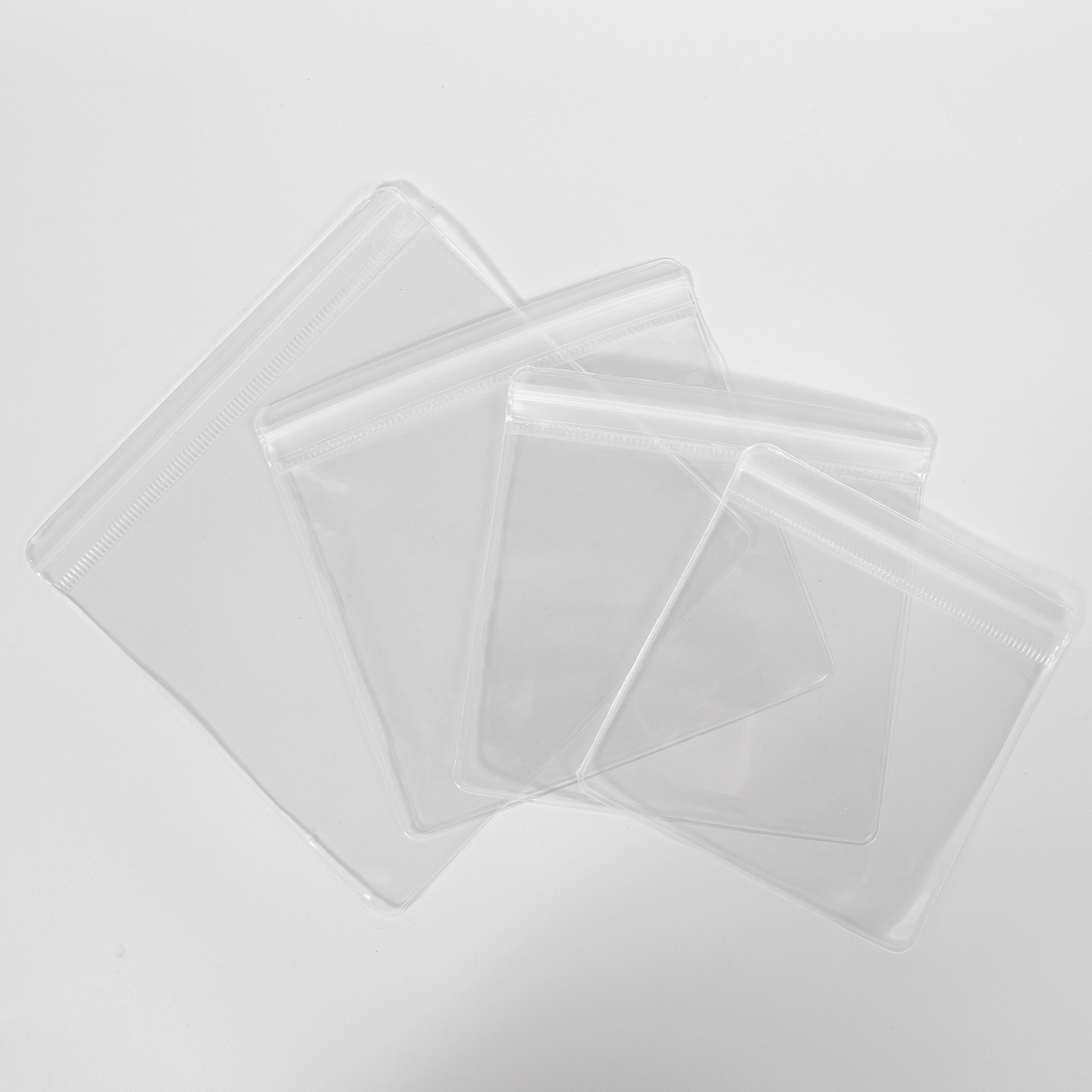
Ukuran Tas Ziplock EVA
Pilih PE untuk penyimpanan makanan pokok, PVC untuk promo volume besar termurah, TPU saat daya tahan jangka panjang adalah yang paling penting, dan EVA bila Anda menginginkan yang lembut, aman, tas harga menengah dengan nuansa premium.
Kegunaan Umum
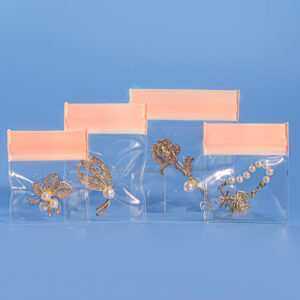
- Perhiasan dan aksesoris — Kantong EVA anti noda memperlambat oksidasi pada kepingan perak dan emas
- Kosmetik dan perlengkapan mandi — tas buram untuk riasan, perawatan kulit, dan perlengkapan perjalanan
- Alat tulis dan perlengkapan kantor — tempat pensil, kantong perlengkapan ujian, Pemegang ID dan kartu
- Hadiah promosi — dicetak logo, tas gusseted untuk pameran dagang dan promosi toko
- Apparel and retail — garment bags and product packaging that show off the item inside
- Electronics and small gadgets — light protection for cables, chargers, and earbuds on the go
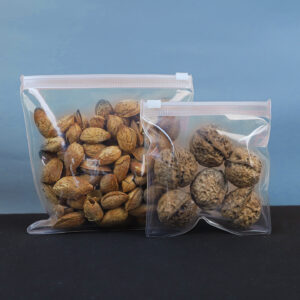
- Travel and food — organizers, cooler bags, and reusable lunch bags
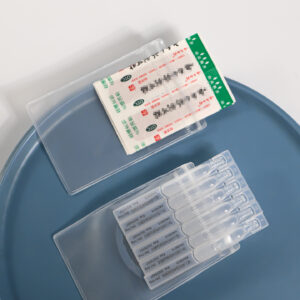
- Medicine and pharmacy packaging — secondary packaging for medicine bottles, blister packs, first-aid supplies, and healthcare kits
Is EVA Safe?
Food-grade EVA that meets FDA rule 21 CFR 177.1350 or China’s GB 4806 standard is cleared for direct food contact. Unlike soft PVC, EVA doesn’t rely on phthalate plasticizers for flexibility, and well-made resin has very low VOC output, so finished bags are usually odorless. For sourcing, RoHS and REACH compliance cover EU chemical-safety rules, while CPSIA and California Prop 65 compliance matter most for US and children’s products.
Is EVA Ziplock Bag Eco-Friendly?
EVA is non-toxic, recyclable, and cleaner to manufacture than PVC — but it isn’t biodegradable. Rather than take an “ramah lingkungan” label at face value, check for a concrete certification: GRS verifies recycled content, and ISO 14001 verifies an actual environmental management system at the factory.
Bagaimana Memilih Yang Tepat
- Size and gusset — flat pouches suit documents and cards; gusseted bags hold bulkier items
- Ketebalan — 20–40 mil for light contents, 50–60 mil for anything with sharp edges
- Penutup — press-to-close costs less; ritsleting slider lebih mudah untuk sering digunakan kembali
- Kustomisasi — konfirmasi metode pencetakan, pilihan warna, dan MOQ di depan; pabrik yang menangani peniupan film, pencetakan, dan pembuatan tas dalam satu jalur cenderung lebih konsisten dan lebih cepat dibandingkan broker yang menjual kembali pemasok lain’ saham
Pertanyaan Umum
Apakah EVA sama dengan PVC?
TIDAK. Keduanya jelas, plastik fleksibel, tetapi PVC mengandung klorin dan seringkali bahan pemlastis, sedangkan EVA merupakan kopolimer vinil asetat yang umumnya lebih lembut dan dianggap lebih ramah lingkungan.
Apakah tas ziplock EVA tahan air?
Ya, untuk tumpahan dan kelembapan sehari-hari. Mereka tidak dibuat untuk direndam atau terkena air dalam waktu lama.
Bisakah tas EVA didaur ulang?
Ya, melalui aliran daur ulang plastik yang menerima EVA, meskipun penerimaan di tepi jalan berbeda-beda — periksa peraturan setempat.
Apakah tas EVA aman untuk makanan?
Hanya EVA tingkat makanan yang memenuhi FDA atau GB 4806 standar disetujui untuk kontak makanan langsung; konfirmasikan kualitasnya sebelum menggunakannya untuk dimakan.
Berapa ukuran dan MOQ yang harus saya harapkan untuk tas khusus?
Ukuran berkisar dari kantong perhiasan kecil sekitar 2″×2″ ke 12″×18″ retail bags, dengan MOQ biasanya dimulai antara 100 Dan 500 potongan untuk proses pencetakan.
Bagaimana cara membersihkan dan menggunakan kembali tas ziplock EVA?
Lap bagian dalam dengan kain lembab, biarkan hingga benar-benar kering sebelum disegel kembali, dan lewati pelarut yang keras, yang dapat mengaburkan atau melemahkan film seiring waktu.
Poin Penting
- Kantong ziplock EVA adalah film etilen-vinil asetat ditambah ritsleting yang dapat ditutup kembali
- Lebih lembut dan lebih ramah lingkungan dibandingkan PVC; kurang tahan terhadap abrasi dibandingkan TPU
- Paling cocok untuk perhiasan, kosmetik, alat tulis, dan kemasan promosi
- Konfirmasikan sertifikasi food grade sebelum mengemas apa pun yang dapat dimakan
- Cocokkan ketebalan dan jenis penutup dengan isi sebenarnya di dalam tas