 (+035) 527-1710-70
 google@gmail.com
 एक पता चुनें

कस्टम पैकेजिंग रुझान 2026 एक पाली में केंद्र। न तो पीवीसी और न ही ईवीए पर प्रतिबंध है 2026, लेकिन दोनों को अब दस्तावेज़ीकरण की आवश्यकता है, not adjectives. PVC needs a phthalate-free formulation plus REACH and RoHS proof. EVA needs no plasticizer at all, but most of it is still petroleum-based despite “पर्यावरण” branding. The EU’s PPWR applies across all member states from August 12, 2026, and US packaging EPR laws now cover at least seven states. New US import tariffs (Section 122 and Section 301) currently swing total landed cost more than the PVC-vs-EVA material price gap does.
Key takeaways:
- PVC = lowest cost, highest rigidity, needs phthalate-free + REACH/RoHS paperwork
- EVA = no plasticizers, safer default for cosmetics/baby items, but not automatically biodegradable
- “Eco-friendly PVC” और “biodegradable EVA” are marketing phrases unless backed by GRS or ASTM D6866 certificates
- EU PPWR and US state EPR rules apply based on where the product sells, not where it’s made
- Tariffs (not resin choice) are now the bigger line item on landed cost
Key Terms at a Glance
| Term | What It Actually Means |
|---|---|
| पहुँचना | EU regulation restricting chemicals of concern, including certain PVC plasticizers |
| RoHS | Limits lead, mercury, and cadmium in manufactured goods |
| जीआरएस | Global Recycled Standard — verifies recycled content, lot by lot |
| ASTM D6866 | Lab test measuring bio-based (बनाम. petroleum) carbon content |
| PPWR | EU’s Packaging and Packaging Waste Regulation, applicable August 12, 2026 |
| EPR | Extended Producer Responsibility — state-level US packaging fees and reporting |
| COC | Certificate of Compliance for state recycled-content laws |
Is PVC Zipper Packaging Getting Banned in 2026?
Not broadly, no. State-level plastic bag bans, including California’s, target single-use carryout bags handed out at checkout — not custom zipper pouches used for cosmetics, hardware kits, or promotional giveaways. What’s actually changing is the formulation requirement: पहुँचना still lists several PVC plasticizers, DEHP among them, as Substances of Very High Concern, which is why phthalate-free PVC has become the default spec rather than an upgrade.
What this means for buyers:
- Ask which specific plasticizer replaces DEHP — don’t accept “Phthalate मुक्त” as a label alone
- Confirm the formulation is REACH-cleared for your specific market, not just “compliant” in general
- A zipper pouch isn’t the same regulatory category as a carryout bag, even in states with bag bans
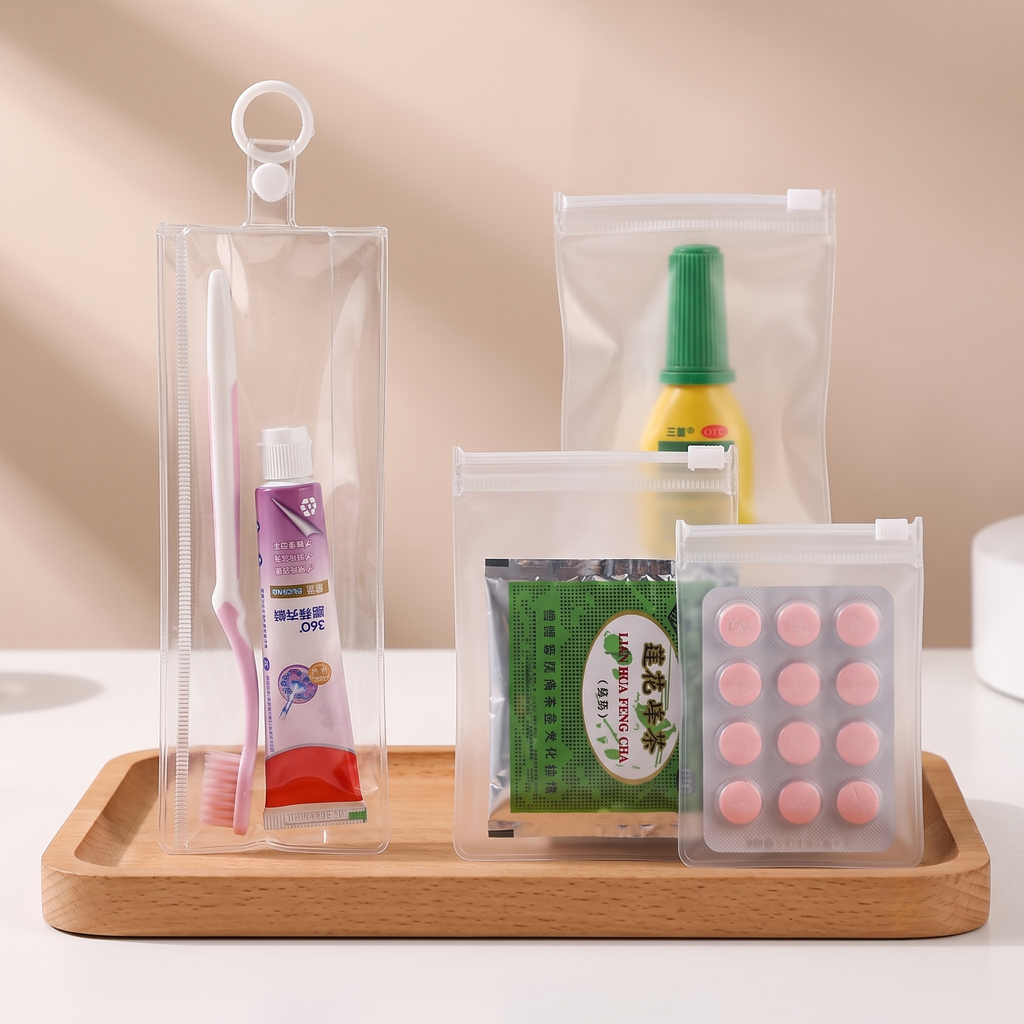
As long as the formulation is phthalate-free and backed by proper compliance documentation, PVC remains a safe and highly effective material for structured packaging and promotional giveaways.
Does “Phthalate-Free” Mean PVC Is Now Sustainable?
नहीं. Removing phthalates fixes a toxicity issue, not PVC’s material footprint. The resin is still close to 57% chlorine by weight, and burning it at end of life can release hydrochloric acid and, in some conditions, dioxins. Recycled-content PVC pouches are also still rare — most “eco-friendly PVC” on the market is phthalate-free virgin resin, not verified recycled material.
Bottom line: if a supplier claims recycled content, ask for a Global Recycled Standard (जीआरएस) transaction certificate tied to the actual production lot. A generic “eco-friendly PVC” line on a spec sheet isn’t proof of anything.
Is EVA Actually More Sustainable Than PVC — or Just Better Marketed?
दोनों, depending on which part of “sustainable” you mean. EVA doesn’t need plasticizers, so it sidesteps PVC’s DEHP and heavy-metal-stabilizer issues entirely, and it’s inherently BPA-free. But once it’s in a landfill, EVA breaks down about as slowly as any other petroleum plastic — and most commercial EVA still comes from petroleum, not sugarcane.
Where EVA earns its reputation:
- No plasticizers, no chlorine, strong track record in baby and food-contact items
- Reusable and durable across repeated use cycles
Where the “sustainable” label overreaches:
- Bio-based EVA exists but is uncommon — request ASTM D6866 test results before believing the claim
- End-of-life degradability is not meaningfully better than standard plastic
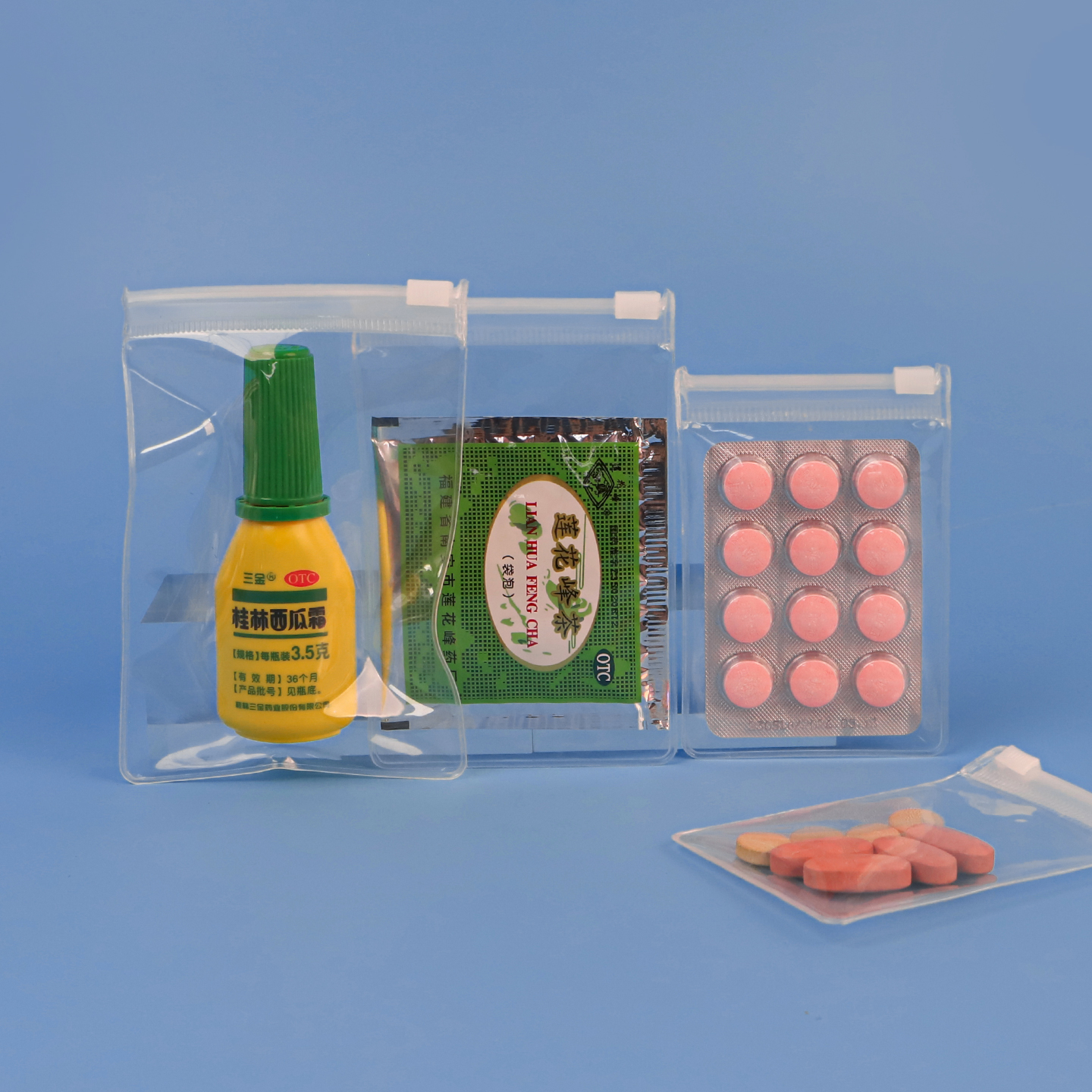
EVA sidesteps plasticizer and heavy-metal issues entirely. Its inherent safety and BPA-free nature make it a highly trusted material for sensitive applications, such as packaging tea bags, over-the-counter medicine, and direct food-contact items.
Which Certifications Should You Actually Ask a Factory For?
Skip the phrases, ask for the paperwork. Four documents cover most of what matters:
| प्रमाणन | इस बात की पुष्टि |
|---|---|
| REACH compliance report | No SVHC-listed chemicals above threshold |
| RoHS certificate | Lead, mercury, cadmium within legal limits |
| जीआरएस लेनदेन प्रमाणपत्र | Recycled content is real and lot-verified |
| ASTM D6866 report | Bio-based carbon content, if claimed |
A phthalate-free lab certificate and a BPA-free lab certificate are not substitutes for any of the four above — they answer a narrower question.
पीवीसी बनाम. ईवीए बनाम. टीपीयू: Which One Fits Your Product?
| कारक | पीवीसी (Phthalate मुक्त) | ईवा | टीपीयू |
|---|---|---|---|
| Chlorine content | ~57% by weight | None | None |
| Needs plasticizer | हाँ | नहीं | नहीं |
| Best fit | Structured pouches, promo bags | Reusable cosmetic/travel/baby items | प्रीमियम पाउच, sports gear |
| स्पष्टता | उच्च | मध्यम | Highest |
| Heat/UV stability | Can yellow over time | Stable | Best anti-yellow performance |
| Relative cost | निम्नतम | Higher than PVC | Highest |
| Recycled content | Rare | सीमित, GRS-verifiable | सीमित (~30% PCR from some suppliers) |
| Certification to request | पहुँचना, RoHS, COC | पहुँचना, RoHS, ASTM D6866 | पहुँचना, RoHS, जीआरएस |
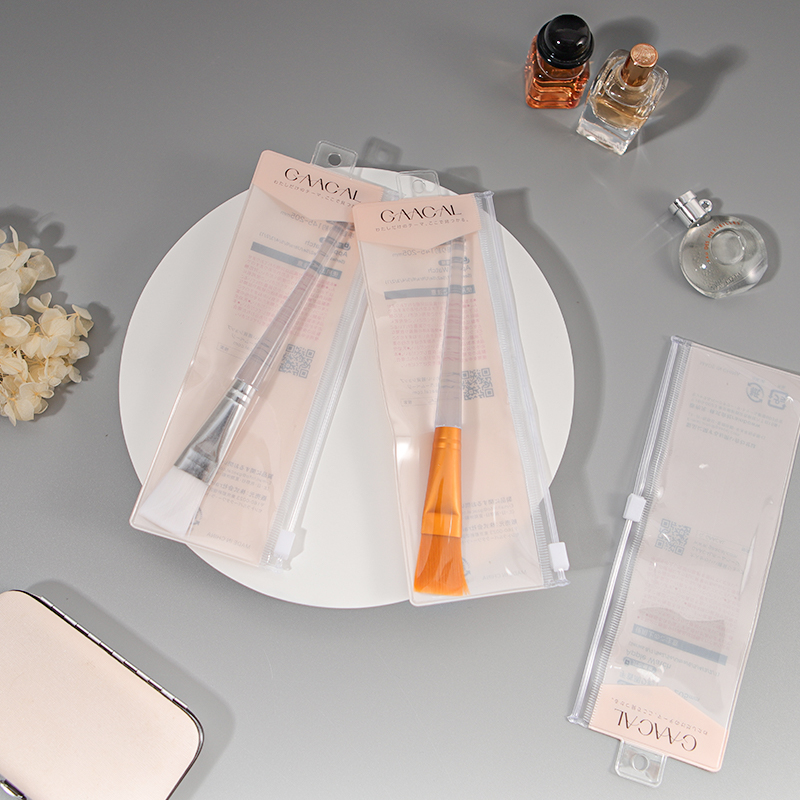
Material drives the display effect: PVC is best when you need high clarity and rigidity to secure the item, while EVA is the preferred choice for beauty tools emphasizing skin-friendly and eco-conscious branding.
Will EU or US Regulation Actually Touch Your 2026 आदेश?
It depends entirely on where the product is sold, not where the bag is made. The EU’s PPWR (Regulation (EU) 2025/40) entered into force February 11, 2025, and applies directly across every EU member state from August 12, 2026.In the US, at least seven states now have packaging EPR laws on the books — Colorado, California, Minnesota, and Maryland all route compliance through the Circular Action Alliance as their approved Producer Responsibility Organization, while New York’s S1464 stacks recycled-content and material-restriction rules on top of the standard EPR fee.
Practical filter: if you’re shipping only to non-EPR US states or outside the EU, none of this currently applies to your reporting obligations — but the list of covered states grows every year, so this isn’t a “set and forget” answer.
When Should You Not Switch From PVC to EVA?
When cost and rigidity matter more than the sustainability pitch. EVA resin runs more expensive to process than PVC at equivalent gauge, and PVC still holds its shape better for structured pouches, hardware kits, and stationery cases. If your program is high-volume, price-sensitive, and sold into markets without EPR or PPWR-style rules, phthalate-free PVC remains a defensible, still-compliant choice — switching to EVA purely because it sounds greener isn’t a strategy, it’s a cost increase without a matching regulatory reason.
What’s the Real Budget Wildcard in 2026 — Material or Tariffs?
Tariffs, by a wide margin. Section 122’s 10% global surcharge expired on July 24, 2026 after its 150-day statutory limit; it was immediately replaced by new Section 301 duties of 10–12.5% covering roughly 80 countries, with no automatic sunset this time. China’s pre-existing Section 301 tariffs (7.5%–100%) remain separately in force. Get a landed-cost quote before comparing PVC and EVA pricing — this is now a moving target, not a fixed number.Get a landed-cost quote before comparing PVC and EVA pricing — the tariff line can dwarf the resin price difference entirely.
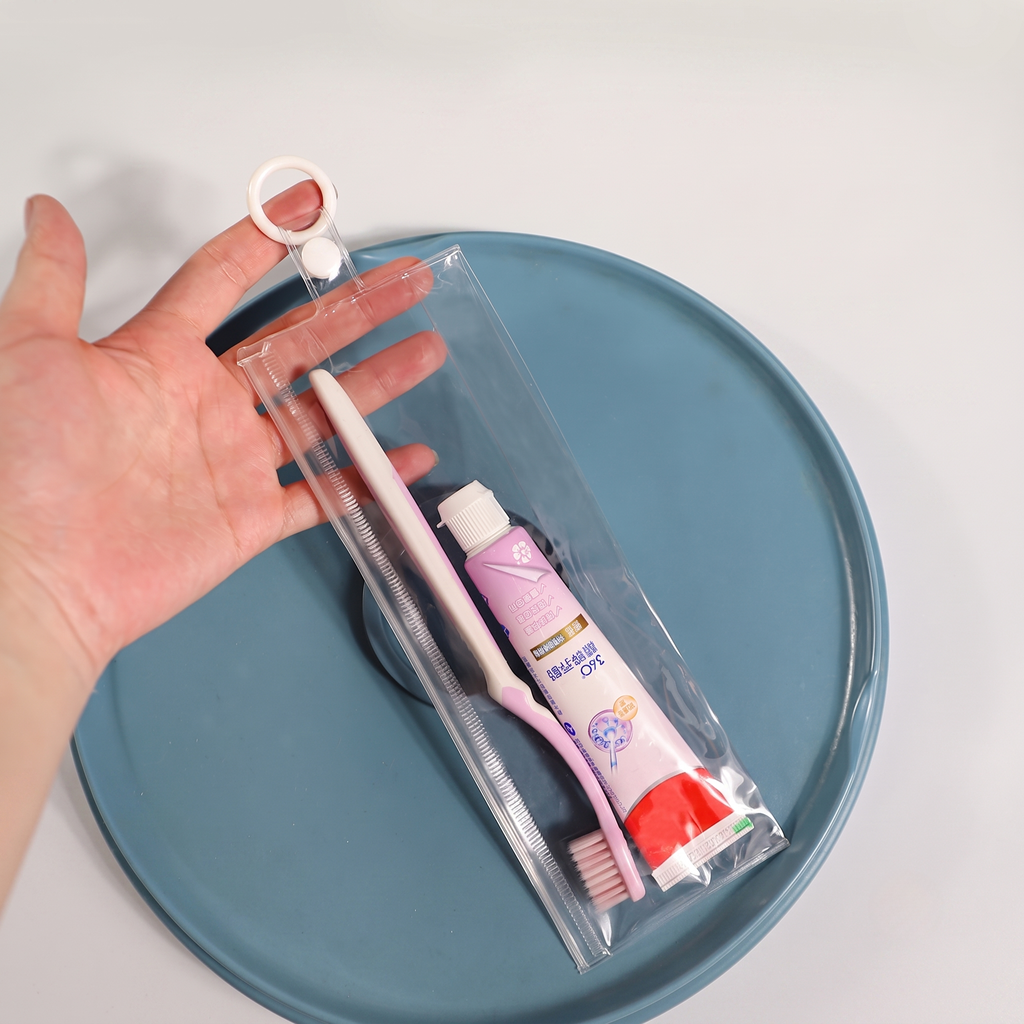
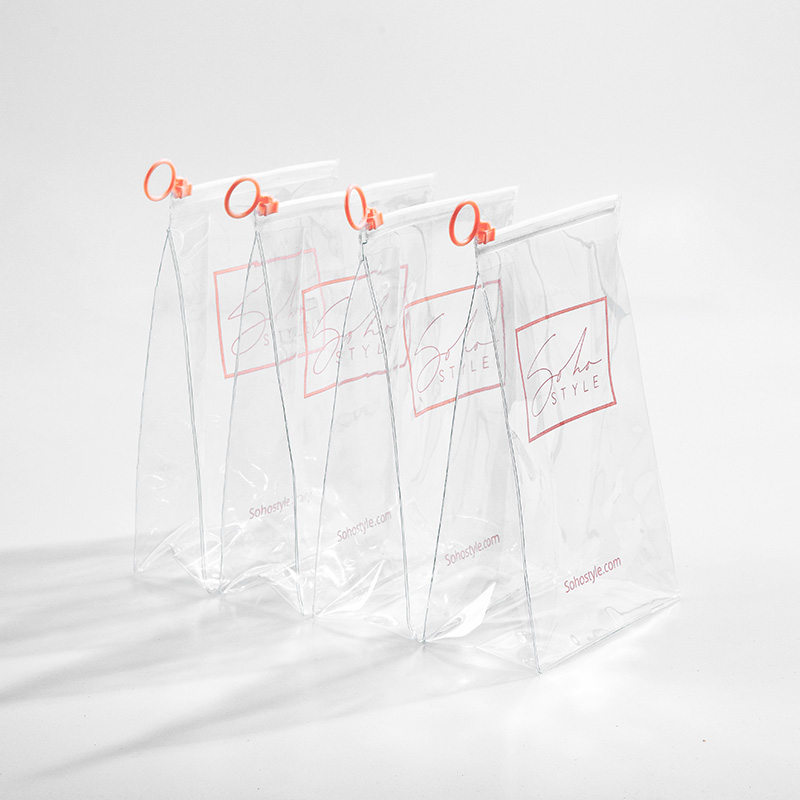
Don’t automatically switch materials for the sake of green marketing. As this transparent bag with a practical hang ring for a travel personal care kit demonstrates, high-quality, fully compliant non-phthalate PVC remains a cost-effective and functionally logic choice for structure-sensitive applications.
पीवीसी बनाम. ईवा: पक्ष - विपक्ष
पीवीसी (Phthalate मुक्त)
| पेशेवरों | दोष |
|---|---|
| Lowest unit cost | Contains chlorine |
| उच्च स्पष्टता | Can yellow under UV/heat |
| Strong dimensional rigidity | Recycled-content versions rare |
| Mature, widely available supply chain | Needs plasticizer to stay flexible |
ईवा
| पेशेवरों | दोष |
|---|---|
| No plasticizers required | Higher unit cost than PVC |
| Inherently BPA-free | Moderate clarity vs. PVC/TPU |
| Strong reputation for food/baby-safe use | Mostly petroleum-based despite “पर्यावरण” image |
| Reusable across multiple use cycles | Poor biodegradability once discarded |
पूछे जाने वाले प्रश्न
Is PVC or EVA better for cosmetic packaging in 2026?
EVA is the safer default for cosmetics because it skips plasticizers entirely and carries a stronger BPA-free reputation with EU and US buyers. PVC still works for structured cosmetic pouches where rigidity and cost matter more than the sustainability story, as long as it’s phthalate-free and REACH-compliant. The trade-off is price: EVA typically costs more per unit at the same gauge. Brands targeting sustainability-focused Gen Z or Millennial shoppers should lean EVA; private-label or budget lines can stay on compliant PVC.
Does the EU PPWR apply to small custom zipper bag orders?
Yes — if the packaging is sold inside the EU, order size and manufacturing location don’t exempt it. PPWR applies EU-wide from August 12, 2026, and grades packaging on recyclability performance under the EU Recyclability Assessment Methodology. Low unit counts don’t automatically qualify for exemption; that depends on packaging category and use, not volume. Confirm scope with your EU importer of record before locking in a material.
Is “eco-friendly PVC” a real certification?
No — there’s no single standard behind that phrase. What’s verifiable is narrower: phthalate-free formulation, REACH clearance against the SVHC list, and RoHS compliance for heavy metals. If recycled content is claimed, ask for a GRS transaction certificate tied to the specific lot. Without that documentation, treat “eco-friendly PVC” as sales copy, not compliance.
Why is EVA sometimes marketed as biodegradable?
Because bio-based EVA — made partly from sugarcane-derived ethylene — does exist, even though it’s uncommon and often blurred together with standard EVA in marketing. Ordinary, petroleum-based EVA degrades at roughly the same rate as any other plastic, not faster. ASTM D6866 test results are the only reliable way to confirm a bio-based claim. Assume EVA is petroleum-based unless that documentation says otherwise.
How much do US tariffs add to a PVC or EVA order from China in 2026?
Often more than the material choice itself. ए 10% baseline surcharge under Section 122 applies to most US imports since February 24, 2026, and Section 301 duties add up to 50% on specific Chinese plastic and packaging categories. The exact rate depends on the HTS classification of your bag type and material blend, so request a landed-cost quote rather than a factory-gate price. That tariff line frequently outweighs the per-unit PVC-vs-EVA price gap.