 (+035) 527-1710-70



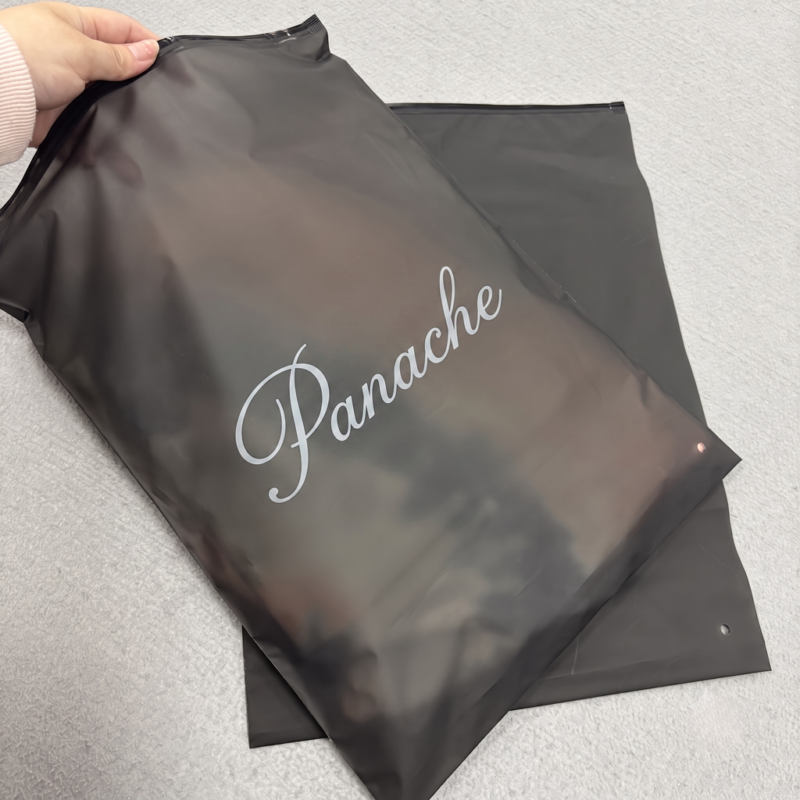
What Is a Clothing Packaging Bag?
A clothing packaging bag is a plastic or film pouch — usually fitted with a zipper closure — used to protect, present, and ship individual garments. The zipper design lets retailers and shoppers reseal the bag after opening, which makes it more functional than a plain poly bag for both retail display and e-commerce fulfillment.
Most clothing zipper bags on the market are made from one of three materials: CPE, EVA (PEVA), or PVC. Each material changes the bag’s cost, feel, clarity, and environmental footprint — which is the real decision apparel brands face when sourcing packaging.
Why Zipper Bags Are the Standard for Apparel Packaging
- Resealable and reusable — customers can reopen and reclose the bag without tearing it, unlike heat-sealed poly bags.
- Dust, moisture, and tamper protection — a sealed zipper keeps garments clean during warehousing, shipping, and retail display.
- Branding real estate — the front panel supports custom logo printing, size labels, and care instructions, turning packaging into a marketing touchpoint.
CPE Clothing Zipper Bag: Material Profile
CPE (Chlorinated Polyethylene) is polyethylene modified with chlorine to increase strength and durability. Clothing bags made from CPE typically have a frosted, matte surface rather than high-gloss clarity.
Pros
- Strong load-bearing capacity — holds heavier folded garments without stretching
- Good chemical and acid/alkali resistance
- Prints sharply, especially on matte surfaces
- Stays flexible at low temperatures
Cons
- Less soft to the touch than EVA
- Matte finish reduces “see-through” product visibility
- Lowest cost, higher than standard PE
EVA Clothing Zipper Bag: Material Profile
EVA (often sold as PEVA — a PE/EVA blend) is a soft, rubber-like film prized for being naturally phthalate-free without added plasticizers.
Pros
- Soft, supple hand-feel — closer to fabric than plastic
- Lightweight (density ~0.91–0.93 vs. PVC’s ~1.32)
- No chemical odor
- Positioned as a safer, PVC-free alternative for brands marketing sustainability
Cons
- Generally costs more per unit than PVC
- Slightly lower tensile strength than CPE for heavy items
- Not inherently biodegradable — still a petroleum-based plastic despite “eco” marketing
PVC Clothing Zipper Bag: Material Profile
PVC (Polyvinyl Chloride) is the traditional low-cost choice for clear zipper packaging, valued for its glass-like clarity and rigidity.
Pros
- Mid-range cost per unit at scale
- Excellent clarity — best for showcasing folded apparel
- Rigid enough to hold shape on shelves without extra stiffeners
Cons
- Often contains plasticizers/phthalates unless certified phthalate-free
- Heavier and denser than EVA
- Facing increasing retail and regulatory restrictions in the EU and parts of the US (e.g., California SB 54)
- Can carry a mild plastic odor
CPE vs EVA vs PVC: Side-by-Side Comparison
| Feature | CPE Zipper Bag | EVA Zipper Bag | PVC Zipper Bag |
|---|---|---|---|
| Feel/Texture | Frosted, semi-soft | Very soft, fabric-like | Rigid, glossy |
| Clarity | Matte (low-medium) | Semi-transparent | High clarity |
| Density | Medium | Low (~0.91–0.93) | High (~1.32) |
| Cost | Lowest | Higher | Mid-range |
| Load-Bearing Strength | High | Medium | Medium-High |
| Phthalate-Free by Default | Yes | Yes | Not always |
| Best For | Heavier garments, premium matte branding | Eco-positioned, soft goods (underwear, activewear) | Budget bulk packaging, high-visibility retail |
| Regulatory Risk (EU/US) | Low | Low | Moderate-High |
How to Choose the Right Zipper Bag Material
By budget: PVC wins on unit economics for high-volume basics. EVA and CPE cost more but reduce compliance and rebrand risk later.
By sustainability positioning: If your brand markets itself as eco-conscious or sells into the EU, EVA or certified phthalate-free CPE reduces exposure to single-use plastics restrictions and phthalate bans.
By product type: Heavier folded items (denim, sweaters) benefit from CPE’s load-bearing strength. Soft goods like lingerie, swimwear, and activewear pair well with EVA’s fabric-like feel. High-clarity retail displays (T-shirts, accessories) still favor PVC where regulations allow it.
Customization Options
Reputable suppliers typically offer:
- Custom sizing — matched to folded garment dimensions (e.g., 20×25cm, 30×40cm)
- Custom thickness — measured in microns/mil, based on garment weight
- Gravure or offset logo printing — up to 6–8 spot colors
- MOQ flexibility — sample runs before bulk production orders
FAQs
Is CPE or PVC better for clothing packaging bags?
CPE is generally the better choice when garments are heavier or when a brand wants a premium matte look, while PVC wins purely on cost and clarity for lightweight, high-volume basics. CPE holds folded weight better and resists chemicals more consistently, but PVC offers glass-clear visibility at a lower price per unit. The right choice depends on whether your priority is product presentation (PVC) or durability and finish (CPE).
What’s the difference between EVA and PVC zipper bags?
The main difference is material composition and feel: EVA is a soft, phthalate-free plastic film, while standard PVC is a rigid plastic that often contains plasticizers unless specifically certified phthalate-free. EVA has roughly 30% lower density than PVC (about 0.91–0.93 vs. 1.32), making it lighter and more fabric-like to the touch. Brands choose EVA for softer product categories and sustainability messaging, and PVC for cost-sensitive, high-clarity retail bags.
Are PVC clothing bags banned or restricted anywhere?
PVC packaging isn’t universally banned, but it faces growing restrictions in specific regions, including EU single-use plastics rules and state-level laws like California SB 54 targeting certain plastic packaging. Many EU retailers now require phthalate-free or PVC-free certification before accepting shipments. Brands selling internationally often switch to EVA or certified CPE to avoid re-packaging costs later.
Which zipper bag material is best for premium or luxury apparel packaging?
CPE is typically the better fit for premium apparel because its frosted, matte finish reads as more upscale than glossy PVC, and it handles heavier folded garments without sagging. EVA is a close second when the brand wants an ultra-soft, tactile unboxing experience for items like loungewear or lingerie. PVC is rarely used for premium lines today due to its “cheap plastic” visual association.
Can clothing zipper bags be recycled or are they eco-friendly?
None of the three materials — CPE, EVA, or PVC — are biodegradable, but EVA and phthalate-free CPE are considered lower-impact because they avoid added plasticizers and are lighter in weight per bag. PVC is the hardest of the three to recycle in standard municipal streams due to chlorine content, which is a growing reason brands are moving away from it. For genuinely eco-labeled packaging, look for suppliers offering recycled-content or certified biodegradable film upgrades rather than relying on material choice alone.