 (+035) 527-1710-70
 google@gmail.com
 Choose an address

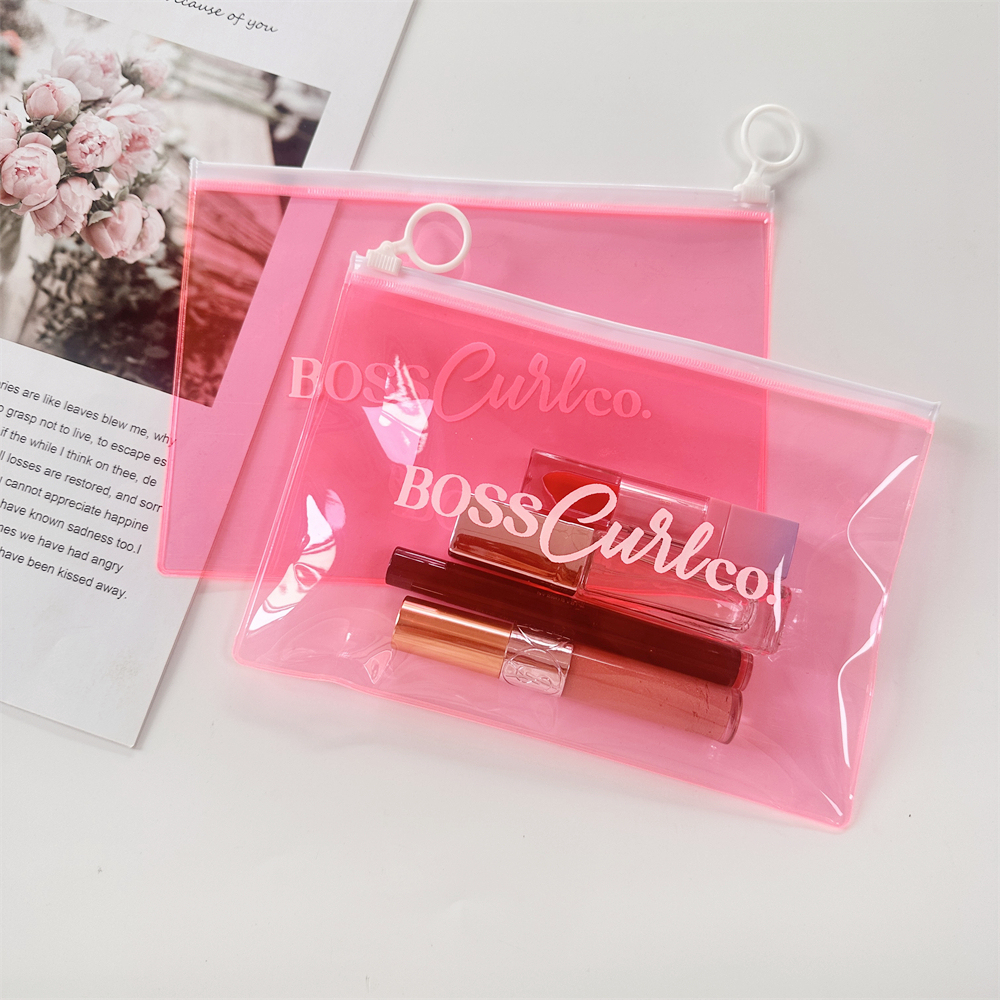
Vinyl Bag vs PVC Bag: What’s the Difference? (Buyer’s Guide)
PVC is one type of vinyl, not a synonym for it. Compare durability, temperature range, clarity, and recyclability to pick the right bag material for your order.
Quick answer: A PVC bag is always a vinyl bag, but a vinyl bag is not always PVC — “vinyl” also covers EVA and PU blends. PVC wins on durability, clarity, and temperature range (-10°C to 60°C); non-PVC vinyl wins on recyclability and food-adjacent use. Choose PVC for heavy-use, high-clarity packaging like jewelry and cosmetic pouches; choose EVA or PU when recyclability or food-contact compliance matters more than clarity.
Key takeaways
- PVC is a specific resin inside the vinyl category — “vinyl” is the umbrella term, PVC is one material under it, alongside EVA and PU.
- PVC outperforms non-PVC vinyl on tear resistance, temperature range, and print clarity; non-PVC vinyl outperforms PVC on recyclability.
- PVC is not the recommended material for direct food contact — EVA is the safer default there.
- California AB 2761 restricts certain PVC packaging formulations, so sellers shipping into California should confirm compliance before ordering.
- Full-chain manufacturers (resin → film → print → bag-making) can switch between PVC, EVA, TPU, PE, PP, and OPP on one order without a second supplier.
Is a Vinyl Bag the Same as a PVC Bag?
No. PVC (polyvinyl chloride) is one polymer inside the broader vinyl family, so every PVC bag qualifies as a vinyl bag, but not every vinyl bag is PVC. Vinyl chloride monomer (VCM) polymerizes into PVC resin, which is then calendered or blown into film — a separate process from the ethylene-vinyl acetate (EVA) or polyurethane (PU) resins that also get sold under the “vinyl” label. Product listings use “vinyl bag” loosely because shoppers search that term more often than the resin name, which is exactly why the label doesn’t tell you the material specs.
| Vinyl (umbrella term) | PVC (specific resin) | |
|---|---|---|
| What it refers to | Any soft, glossy plastic bag — PVC, EVA, or PU | One specific chlorine-based polymer |
| What it tells you about specs | Nothing reliable | Fixes the resin, not the thickness or additives |
| What to request instead | — | Resin type + film gauge + compliance certs |
Applicability limit: If a listing says “vinyl” without naming a resin, treat it as unconfirmed material until the supplier states PVC, EVA, or TPU directly.
What Makes PVC a Specific Type of Vinyl?
How Vinyl Chloride Monomer Becomes PVC Resin
Plasticizer ratio during calendering — not the base resin alone — determines whether a PVC sheet ends up as soft packaging film or rigid sheeting for binders and cards. Higher plasticizer content produces the flexible film used in zipper bags and pouches; lower content produces the stiff sheeting used in stationery covers. This is why two PVC products can feel completely different in hand despite sharing the same base polymer.
Flexible PVC vs Rigid PVC
Flexible PVC film holds its pliability across roughly -10°C to 60°C (14°F to 140°F), a wider working range than most non-PVC vinyl blends, which start stiffening below 0°C (32°F) and softening above 50°C (122°F). That gap matters operationally: a bag that stiffens in an unheated warehouse or delivery truck is more likely to crack along its RF-welded seams during handling.
How Do PVC and Non-PVC Vinyl Bags Compare?
| Property | PVC Bag | Non-PVC Vinyl Bag (EVA/PU) |
|---|---|---|
| Wear resistance | High — resists scratching and tearing under repeated use | Moderate — scratches or stretches with frequent handling |
| Temperature range | -10°C to 60°C (flexible grade) | 0°C to 50°C before stiffening or softening |
| Transparency | Near crystal-clear in calendered clear grades | Slight haze; semi-transparent |
| Water resistance | Fully waterproof | Fully waterproof — no meaningful difference |
| Cost per unit | Lower at comparable thickness | Typically higher |
| Recyclability | Limited — most curbside programs reject PVC | Generally easier, though acceptance varies by locality |
| Food contact | Not recommended | Better suited, subject to compliance verification |
What Are Vinyl and PVC Bags Best Used For?
| Application | Recommended Material | Why |
|---|---|---|
| Cosmetic & jewelry pouches | PVC | RF-welded seams contain loose powders and small metal pieces without stitched leak points |
| Clear stadium & security bags | PVC | Crystal clarity is a checkable feature at entry gates; common cap is 12″ x 6″ x 12″ |
| Toiletry & travel pouches | PVC | Withstands repeated zipper cycles and screening handling better than softer vinyl |
| Printed retail & gift packaging | PVC | Holds ink density better than PE film at equal thickness under gravure or silk-screen printing |
| Food-adjacent pouches | EVA | Avoids the plasticizer-migration concerns tied to PVC in food-contact contexts |
| Cold-chain packaging below -10°C | EVA/PU | Retains flexibility longer than standard flexible PVC at sub-zero temperatures |
When Should You Avoid PVC or Vinyl Packaging?
- Direct food contact: PVC is not recommended due to plasticizer migration risk under LFGB and FDA food-contact standards — confirm current compliance status before ordering, and default to EVA for anything touching consumables.
- California-bound shipments: AB 2761 phases out PVC packaging containing PFAS or specific restricted additives, so sellers shipping into California should verify formulation compliance ahead of a production run.
- Curbside-recyclable claims: Most U.S. municipal recycling programs do not accept PVC. Brands building recyclability claims typically move to PE mailers or GRS-certified recycled content instead.
- Sub-zero cold chain: Standard flexible PVC loses pliability first below -10°C; non-PVC vinyl or EVA holds up longer in that range.
PVC or Non-PVC Vinyl — Which Should You Choose?
| If your priority is… | Choose |
|---|---|
| Maximum clarity and durability | PVC |
| Lower cost per unit | PVC |
| Recyclability claims | EVA/PU (or PE for curbside programs) |
| Food-adjacent packaging | EVA |
| Sub-zero cold-chain shipping | EVA/PU |
PVC — Pros and Cons
| Pros | Cons |
|---|---|
| Handles repeated zipper cycles and heavier contents without tearing | Limited curbside recycling access in most regions |
| Wider temperature range, from cold storage to hot display windows | Not the first choice for direct food contact |
| Sharper, more saturated color under gravure and screen printing | Subject to state-level restrictions like California AB 2761 |
| Lower cost per unit at matching thickness | — |
Non-PVC Vinyl (EVA/PU) — Pros and Cons
| Pros | Cons |
|---|---|
| Generally easier to recycle where local programs accept it | Lower wear resistance under heavy or repeated use |
| Softer hand-feel, suited to light-duty carrying | Narrower temperature tolerance before stiffening or softening |
| Fewer plasticizer-related compliance questions in food-adjacent use | Slight haze reduces clarity versus calendered clear PVC |
Order volume and finish requirements narrow the decision further. Brands needing crystal-clear windows, heavy-duty zipper cycles, or wide shipping-temperature ranges default to PVC. Brands prioritizing recyclability claims or food-adjacent use default to EVA or PE. A factory running raw material through blown film, printing, and bag-making in one chain can switch between PVC, EVA, TPU, PE, PP, and OPP on the same order without adding a second supplier for each material,such as Guangdong Minghe Packing Industrial Co., Ltd.
FAQs
Is a vinyl bag the same as a PVC bag?
No — PVC is one material inside the broader vinyl category, so PVC bags are vinyl bags, but not all vinyl bags are PVC. Vinyl also covers EVA and PU-based blends, which feel softer and tolerate a narrower temperature range (roughly 0°C to 50°C) than flexible PVC (roughly -10°C to 60°C). Confirm the actual resin — PVC, EVA, or TPU — rather than relying on the “vinyl” label when comparing suppliers.
Which is more durable, a vinyl bag or a PVC bag?
PVC bags are more durable for repeated use, with better scratch and tear resistance than non-PVC vinyl blends. PVC also holds its shape under heavier loads and more zipper cycles without stretching as quickly. Non-PVC vinyl suits light, short-term carrying better than daily heavy use.
Can PVC bags be used for food packaging?
PVC is not recommended for direct food-contact packaging because of plasticizer migration concerns under standards like LFGB and FDA food-contact rules. EVA performs better in this role and is the more common default for food-adjacent pouches. Confirm formulation-specific compliance with your supplier before placing a food-packaging order in PVC.
Are PVC bags recyclable?
PVC recycling is limited compared to PE or PP, and most U.S. municipal curbside programs don’t accept it. Non-PVC vinyl and EVA are generally easier to recycle, though acceptance still depends on local rules. Brands prioritizing recyclability claims typically move to PE mailers or GRS-certified recycled content instead of standard PVC.
Which material is better for jewelry or cosmetic packaging, PVC or EVA?
PVC is the stronger choice when jewelry or cosmetic packaging needs crystal-clear visibility and RF-welded, leak-resistant seams around loose powders or small metal pieces. EVA suits brands prioritizing a softer feel or recyclability over maximum clarity and wear resistance. The decision comes down to whether product visibility and durability (PVC) or recyclability and softness (EVA) matters more for that specific SKU.